
Prosecution chief admits collapse of Kneecap rapper's terror case was 'embarrassing'
The Director of Public Prosecutions has agreed the collapse of the case against Kneecap rapper Liam Og O hAnnaidh was “embarrassing” for his organisation, but added the Crown Prosecution Service (CPS) had “learned our lessons”.
Appearing before the Commons Justice Committee, Stephen Parkinson also rejected a suggestion the missed deadline for seeking the Attorney General’s permission to charge the rapper was done “accidentally on purpose” by someone within his organisation.
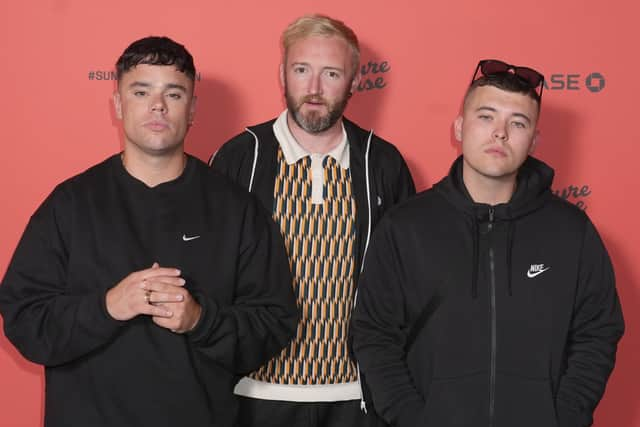

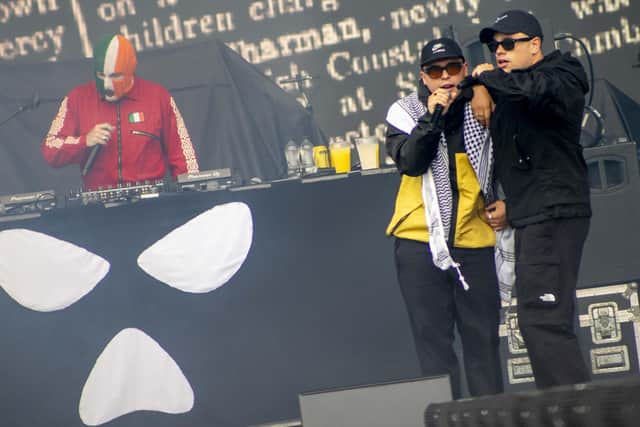
Mr O hAnnaidh, who performs under the stage name Mo Chara, was accused of displaying a flag in support of proscribed terror organisation Hezbollah at a concert at the O2 Forum in London’s Kentish Town in November 2024.
But the case was thrown out last September, with the magistrate ruling the proceedings were “instituted unlawfully”.
The CPS appealed against the decision at the High Court, but its challenge was dismissed.
The judge had agreed with Mr O hAnnaidh’s lawyers that prosecutors needed to seek the Attorney General’s permission to charge the rapper before informing him on May 21 that he would be charged with a terror offence.
This permission was sought and given the following day, which the court heard meant the charge fell outside the six-month timeframe in which criminal charges against a defendant can be brought.
Mr Parkinson said the CPS had since introduced a “flag” on its system in response to the error, adding he hoped automation would prevent something similar happening in the future.

When it was put to him that the case was “embarrassing to the service”, he said: “I agree … but it was a summary only [less serious criminal] matter, which is why the problem arose.
“It only came to us for early advice some three weeks before the expiry of the deadline, and that was for early advice from the police.
“I think we actually got the file of evidence something like 48 hours before the expiry of the deadline, and then we turned it around in 24 hours.
“So, we weren’t stroking our chins for six months staring into the middle distance.
“It’s one of those cases which arrived very much at the last minute, and I’m afraid an error was made, but it was an uncomfortable experience.”
He added: “I had an uncomfortable conversation with the Attorney General, as you would expect me to have, but I feel we have learned our lessons from that.”
Questioned further on the issue, Conservative MP Sir Ashley Fox asked Mr Parkinson: “Do you think it was an accident, or do you think it was accidentally on purpose by someone somewhere in the chain who didn’t want this prosecuted?”
He responded: “I have got no reason to think it was anything other than an accident.”
Sir Ashley then said it seemed a “remarkable coincidence” that the Attorney General was not asked in time for what he described as a “controversial case”.
Responding, Mr Parkinson emphasised evidence had arrived at a “very, very late stage, adding: “I’m afraid, just drawing on many years of experience practising criminal law, it is invariably cock-up, not conspiracy.”