
Flying from Belfast this summer? Both airports rank among the UK’s least stressful
New research has named Belfast International as one of the UK’s least stressful airports for summer travel, with the airport ranking fourth overall thanks to a relatively low average cancellation rate and improving departure delays. Belfast City also performed strongly, placing ninth and giving Northern Ireland two airports in the UK top 10.
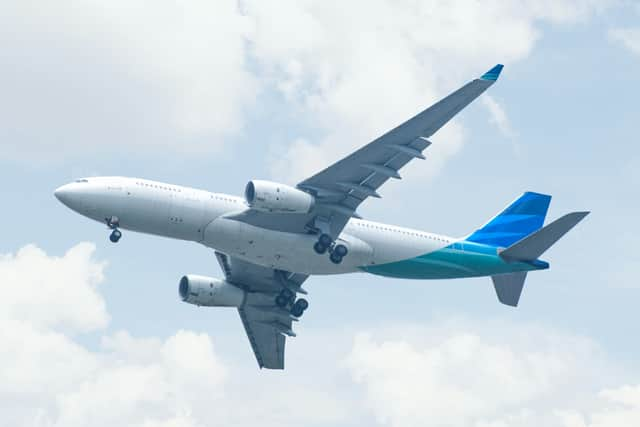

The study, conducted by online tour operator Exoticca.com, looked at UK Civil Aviation Authority flight punctuality data across 25 major UK airports, focusing specifically on the summer months of June, July and August between 2023 and 2025. Airports were ranked using a stress score based on average cancellation rates and average departure delays during this period.
The UK's least stressful airports for summer travel
East Midlands International ranks as the least stressful airport in the study, with a stress score of 18.53 out of 100. The airport recorded an average cancellation rate of just 0.32%, the second-lowest in the study, alongside an average delay of 18 minutes and 17 seconds.
Liverpool John Lennon ranks second among the least stressful airports, with a stress score of 22.21. The airport recorded an average delay of 16 minutes and 13 seconds and an average cancellation rate of 1.22%. Its average delay dropped sharply in 2025, falling to 11 minutes and 45 seconds.
Cardiff Wales ranks third, with a stress score of 29.29. The airport had one of the lowest average cancellation rates in the study, at 0.67%, alongside an average delay of 20 minutes and 32 seconds. In 2025, its cancellation rate dropped to just 0.24%.
Belfast International places fourth, with a stress score of 29.37. The airport recorded an average cancellation rate of 1.15% and an average delay of 19 minutes and 40 seconds. Its average delay fell from 26 minutes and 33 seconds in 2023 to 14 minutes and 51 seconds in 2025.
Leeds Bradford ranks fifth, with a stress score of 29.55. The airport recorded an average cancellation rate of 0.92% and an average delay of 19 minutes and six seconds. Its average delay rose in 2024, before falling again in 2025.
Newcastle takes sixth place, with a stress score of 31.27. The airport recorded a low average cancellation rate of 0.73%, although its average delay stood at 21 minutes and 26 seconds. Its 2025 cancellation rate was particularly low, at 0.35%.
Glasgow ranks seventh, with a stress score of 33.71. The airport recorded an average cancellation rate of 1.74% and an average delay of 17 minutes and 23 seconds. Its average delay improved across the period studied, falling from 19 minutes and 43 seconds in 2023 to 14 minutes and 36 seconds in 2025.
Teesside International Airport places eighth, with a stress score of 34.89. The airport recorded an average delay of 15 minutes and 47 seconds and an average cancellation rate of 2.04%. In 2025, its cancellation rate stood at 2.43%, but its average delay was lower, at 13 minutes and 49 seconds.
Belfast City ranks ninth, with a stress score of 36.94. The airport recorded an average delay of 14 minutes and 31 seconds, one of the shortest in the study, though its average cancellation rate stood at 2.39%.
Bournemouth ranks 10th among the least stressful airports in the study, with a stress score of 37.36. The airport had the lowest average cancellation rate of all airports analysed, at just 0.10%, although its average delay was still relatively high at 26 minutes and 11 seconds.
The UK's most stressful airports for summer travel
Gatwick ranks as the UK’s most stressful airport for summer travel, with a stress score of 72.37 out of 100. The airport recorded the longest average departure delay in the study, at 31 minutes and 32 seconds, alongside an average cancellation rate of 2.01%.
While Gatwick’s average delay has improved across the period studied, falling from 39 minutes and 52 seconds in 2023 to 22 minutes and 57 seconds in 2025. It still ranks highest overall.
Exeter takes second place, with a stress score of 58.73. While its average delay is much lower than Gatwick’s, at 18 minutes, the airport recorded the highest average cancellation rate in the study, at 3.49%. This includes a cancellation rate of 4.37% in 2023, 3.13% in 2024 and 2.98% in 2025.
Manchester ranks third, with a stress score of 52.07. The airport had one of the longest average delays in the ranking, at 26 minutes and 59 seconds, although its average cancellation rate was lower than several airports in the top 10, at 1.17%. Delays at Manchester have also improved, falling from 31 minutes and 18 seconds in 2023 to 21 minutes and 59 seconds in 2025.
Edinburgh follows in fourth place, with a stress score of 49.36. The airport recorded an average departure delay of 24 minutes and seven seconds and an average cancellation rate of 1.60%. In 2025, the airport’s average delay stood at 19 minutes and 42 seconds, down from 29 minutes and 37 seconds in 2023.
Birmingham completes the top five, with a stress score of 48.61. The airport’s average delay stood at 25 minutes and 21 seconds, the fourth-longest average in the study. Birmingham also recorded the longest average delay in 2025 specifically, at 23 minutes and 29 seconds.
Commenting on the findings, a spokesperson at Exoticca.com said: “Summer travel can already feel stressful, even before delays or cancellations are added into the mix. Airports are busier, families are travelling with more luggage, and many people are trying to make tight connections or reach resorts, cruises and tours at a specific time.
“What this ranking shows is that airport stress does not always come from one single issue. Some airports rank highly because passengers are more likely to face longer delays, while others are pushed up the list because cancellations are more common. For travellers, both can cause serious disruption, especially when they are flying abroad for a long-awaited holiday.
“The best thing passengers can do is build in more breathing room where possible. Earlier flights can sometimes give you more options if something goes wrong, and it is worth avoiding very tight connections, especially during peak summer weekends. Travellers should also keep essentials in their hand luggage, check their airline app before leaving for the airport and make sure they know what support they are entitled to if their flight is delayed or cancelled.
“A delay at the start of a trip is frustrating, but being prepared can make it much easier to manage. Having your documents, medication, chargers, travel insurance details and a change of clothes close to hand can make a real difference if plans change at short notice.”