
Rates bills set across Northern Ireland, with Belfast last to vote through tax hike: Here's how your tax bill will be affected, including surprise last-minute changes across the province
Rate bills have been set across Northern Ireland, with some surprise last-minute changes.
Friday night saw Belfast finally set its property taxes for the coming financial year, making it the last council in the province to do so.
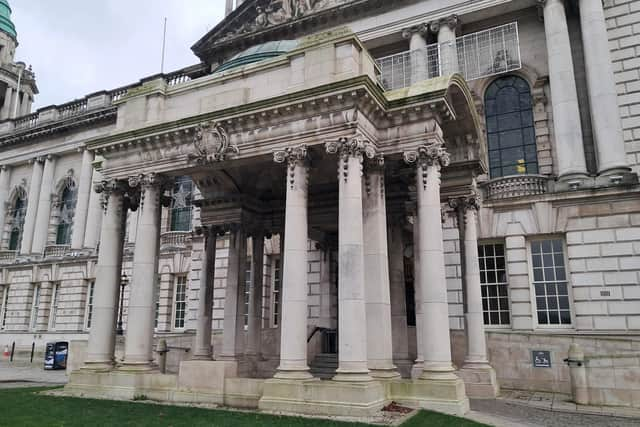

Although it was expected to go for a 3.8% increase, councillors instead plumped for a 4.48% hike.
That’s still below the highest rates bump in Northern Ireland, with Ards and North Down going for a 4.5% increase – and even that is a reduction on its initially planned 4.74% rise.
Ards and North Down brought its rates hike down after Finance Minister John O’Dowd u-turned on a planned revaluation of business properties at the end of last month.
In Belfast, a council spokesman stated the 4.48% rise would mean an average increase in tax bills of 33p per week for a terraced house, £1.11 for a four-bedroom detached home, and 32p for an apartment.
In the business world, the spokesman said, the average office will have to pay £8.22 more per week, while the typical shop’s bill will go up by £6.74.
Belfast’s tax hike will be spent, stated the spokesman, on moves such as a city-wide graffiti removal programme, plus apprenticeship schemes and rolling out glass recycling boxes to all households that don’t currently have them.
It will also see £1m spent on “work towards housing-led regeneration across the city”, as well as giving £600,000 to local community organisations, putting £500,000 into a programme teaching groups how to apply for grants, and spending £100,000 each on summer projects diverting young people away from anti-social behaviour and sports clubs wanting to compete in “elite-level” contests.
Other work planned by council in 2026/27 includes continued development of the “Belfast Stories” visitor attraction, planned to open in 2030, plus £1m towards floodlights at sports grounds, more than half a million pounds on “biodiversity funding”, and delivering this year’s all-Ireland fleadh.
The council also plans to hire three additional bin collection crews and carry out improvements to parks and community facilities.
Belfast is one of four of Northern Ireland’s 11 councils to set inflation-busting rates hikes.
The 2026 rates rises are below, with last year’s increases in brackets:
l Antrim and Newtownabbey: 2.99% (4.96%)
l Ards and North Down: 4.5% (3.65%)
l Armagh, Banbridge and Craigavo n: 2.79% (3.91%)
l Belfast: 4.48% (5.99%)
l Causeway Coast and Glens: 3.35% (3.65%)
l Derry City and Strabane: 4.48% (4.92%)
l Fermanagh and Omagh: 1.96% (3.76%)
l Lisburn and Castlereagh: 4.25% (3.99%)
l Mid and East Antrim: 2.95% (3.99%)
l Mid Ulster: 3.4% (5.1%)
l Newry, Mourne and Down 2.8% (3.98%)
The total amount of rates residents pay is made up of the district rate, which is voted through by councils, and the regional rate set by the executive.
Last week, Stormont announced that it will raise regional rates for businesses by 3% and domestic properties by 5%. Those figures are broadly in line with a plan announced by the Finance Minister, which would see 5% rates hikes on households every year for the next three years – though that plan has not yet been agreed by the executive, and has already proved controversial with other parties.