
'These plans are very strange, both in their timing and scale': Bid to turn hotel and popular pub into 556-bed student accommodation sparks opposition
A controversial move to turn a Belfast hotel and popular pub into a huge student housing centre have been branded ‘very strange’ by a city councillor, arguing it’s both much too large and years too late.
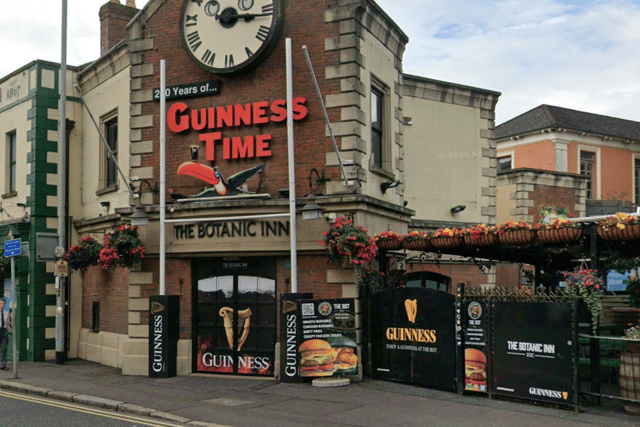
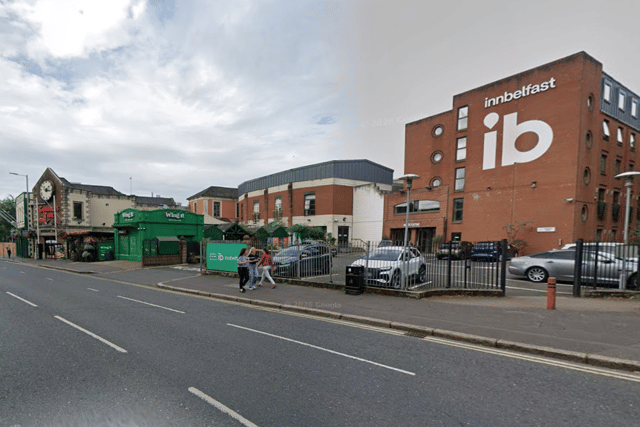
Locals in the Stranmillis area of Belfast have already started a campaign opposing plans to demolish the former Wellington Park Hotel and neighbouring pub the Botanic Inn, to replace them with 556 rooms of student accommodation.
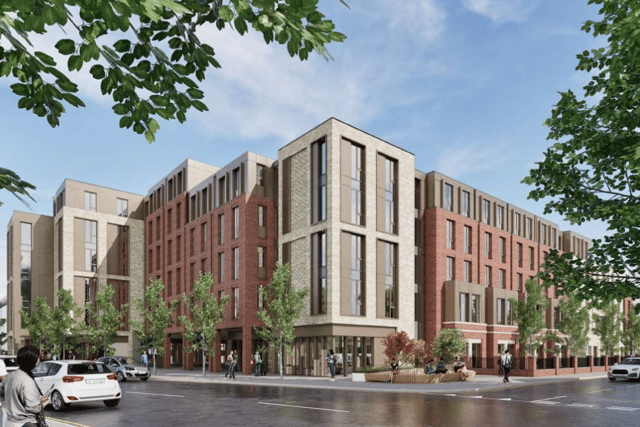

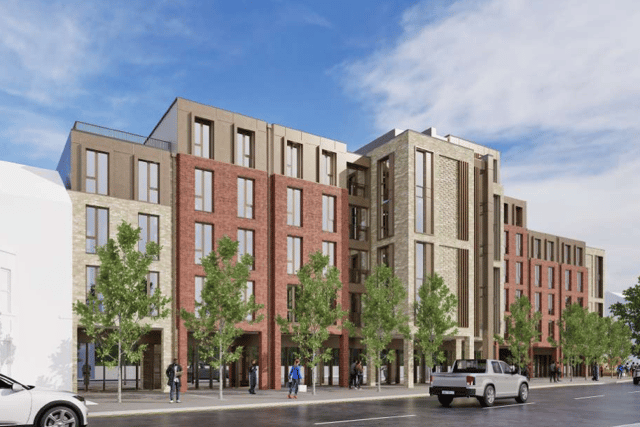
Standing from four to six storeys tall, plans state the development would have shops on its ground floor as well as indoor and outdoor communal areas, games rooms, a podcast studio and fitness facilities.
People who live in the area fear a lack of parking spaces will result in traffic gridlock, however, and argue taking a wrecking ball to the pub will result in the loss of a vital community resource that dates back to the 19th century.
The area is a few minutes’ walk from Queen’s University, so the location may seem like an obvious pick.
But one city councillor has raised what he sees as issues with the project, stating that it’s “very strange, both in timing and scale”.
The Green Party’s Brian Smyth told the News Letter: “This is much, much too large for the area, and in my opinion it’s several years too late – the market for student accommodation like this in Belfast is nowhere near what it was.”
He pointed to a survey from a consultancy firm that in Spring stated around one-third of student rooms in the city stand empty, meaning the “sector is fully satisfied” and further large-scale developments may not be viable.
Around 7,000 student beds have been built in Belfast over the last 10 years, many in the city centre close to a recently-constructed campus of Ulster University.
Of late, owners of some of those buildings have taken to applying to turn them into Airbnb-style short-term lets during summer. Those changes have been made after the facilities were specifically built as student centres, which has outraged the hotels sector who regard it as unfair competition.
“It would be a concern if that happened on the Wellington Park site too, there are a number of specialist B&Bs in that area,” said Mr Smyth.
The Green politician also agreed with traffic concerns, stating he’d struggled to get parked when attending a meeting of concerned residents this week.
"I wound up driving around for 20 minutes before I found a space several streets away,” he said. “I’m all for encouraging people to use public transport, but Translink has announced plans to reduce services. Inevitably this development would mean many more cars in the area, and it’s already a real bottleneck.”
Documents filed on behalf of developers Graham Investment Projects describe the scheme as “a modern, high-quality residential facility tailored to meet the demand for student housing right on the doorstep of Northern Ireland’s leading university”.
Conceding that the surrounding area is known for its Victorian and Edwardian villas, the documents suggest the hotel site constitutes “a transitional node” where domestic houses meet high-density accommodation. In that context, they state, the project will be “a well-proportioned urban anchor”.
They also state that it’s intended to be “car free” to boost the use of public transport and discourage private vehicles.