
Final report issued after eight years of investigation into work of Belfast brain doctor Michael Watt
An eight-year long investigation into the work of struck-off doctor Michael Watt has now concluded, leading to an apology from the health minister for the failings uncovered.
The Regulation & Quality Improvement (RQIA), basically Northern Ireland’s healthcare inspectorate, has published its final report into the medical records of 69 deceased patients of Dr Watt.
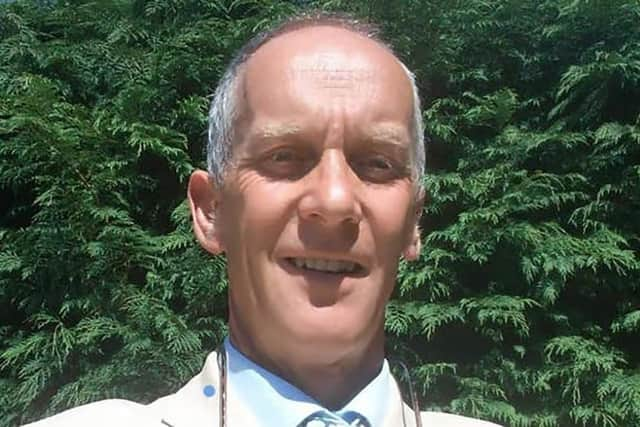

Dr Watt, a neurologist based in the Belfast Trust, was struck off the medical register in 2023.
A review into the standard of his work was announced in 2018 after concerns were raised.
The review happened in two main phases: firstly, beginning in 2022, the records of 44 patients who had died from 2008 to 2018 were examined.
Secondly, the files of another 25 such patients were examined from 2024 after their families came forward too.
Family members of the dead also gave testimony to the investigators.
After combing through all these cases, the RQIA today publishes its final 52-page report.
Its accompanying summary says the findings are “stark” – namely, that “a combination of poor diagnostic practice, inadequate communication, isolated clinical decision-making, weak multidisciplinary oversight and a lack of patient-centred care resulted in standards of care that frequently fell below expectations”.
An RQIA spokesman said that the investigation found substandard care in the majority of the cases reviewed.
Some further details are expected to be published later today.
The summary of the findings said: “In some cases harm was caused through delayed or misdiagnosis, inappropriate treatment, and failures in communication and support.
"The majority of family concerns raised were fully or partially upheld by the independent expert panel who reviewed the records and reviewed the family testimonies.
"The collective review provides powerful evidence of the devastating impact of poor clinical practice on patients and their families, underlining the need for patient safety and quality of care to remain central to professional and management practice.”
The RQIA also paid tribute to the families involved, saying their testimonies “provided evidence and understanding that clinical records alone could not offer”, and voiced hope that the lessons learned “may provide some small solace”.
RQIA chairwoman Christine Collins said: "I have no hesitation in saying that, in my view, the strong and clear focus now being placed on patient safety across the system is due to the courage and determination of patients and families to seek the truth and insist on change, so that others do not suffer as they have suffered.”
Neurologists are specialist medical doctors who look into conditions affecting the brain, spinal cord, nerves, and muscles.
The new UUP health minister Robbie Butler said: “I want to acknowledge the loved ones whose lives are being remembered today.
"Their loss is deeply felt by their families, and it is right that we pause to remember them and the impact their deaths have had on those closest to them.
“I also recognise the courage and determination of the families who took part in the Deceased Patient Review.
"Their contribution has been central to ensuring that concerns were examined independently and that lessons can be learned to improve care for future patients and families.”
He called the findings “deeply concerning” and said: “I sincerely apologise for the failings in care that have been identified.”
He went on to add: “This report provides an important opportunity to reflect on past failings and to strengthen patient safety across the HSC system.
"The findings reinforce the importance of openness, effective communication, multidisciplinary working, professional challenge and a culture in which concerns are listened to and acted upon.”