
Village green saved: Co Down community celebrates as historic site rescued from council's sale move
People in a Co Down community are celebrating after their village green was saved from the open market.
Plans to sell off the green were unanimously dropped by Newry, Mourne and Down Council this week, says councillor Callum Bowsie, after it had been listed as “surplus to requirements” by officials.
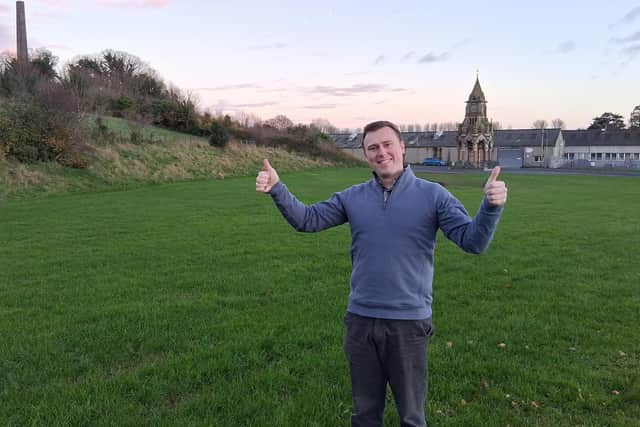

The single-acre area is an important part of village life, regularly used by residents for exercise and leisure, and recently hosted celebrations for the 200th anniversary of Shrigley’s creation.
It’s also a reminder of the history of the village; although Shrigley is now a dormitory area with a large housing estate and several other homes, it was once a hive of industry centred around what was once one of the biggest mills in the British Isles.
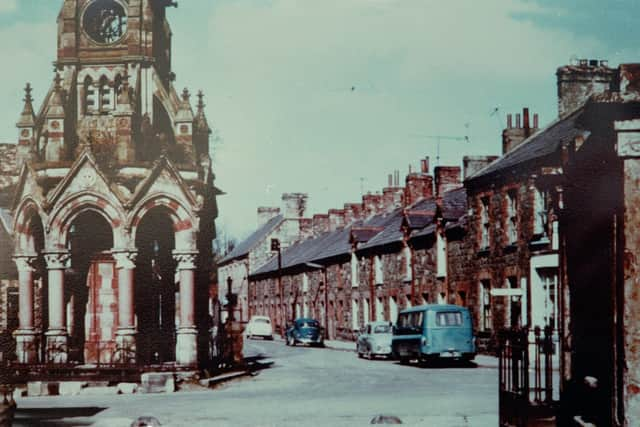
Roughly seven miles north of Downpatrick, the original 19th century model village built to serve mill workers was demolished from 1966 to 1970, and the village green now stands part of on the former site of those old houses.
Mr Bowsie says that he was horrified to discover the green had been added to the council’s list of surplus land, meaning it could have been sold on the open market.
“It is hard to believe that a village green would be stuck on a ‘surplus assets’ list and the land disposed of without any community consultation,” said the DUP politician.
“Unsurprisingly I had the full support of Shrigley Community Group and, along with Michelle McIlveen MLA, we met with council management to highlight the importance of this public green to the people of Shrigley.
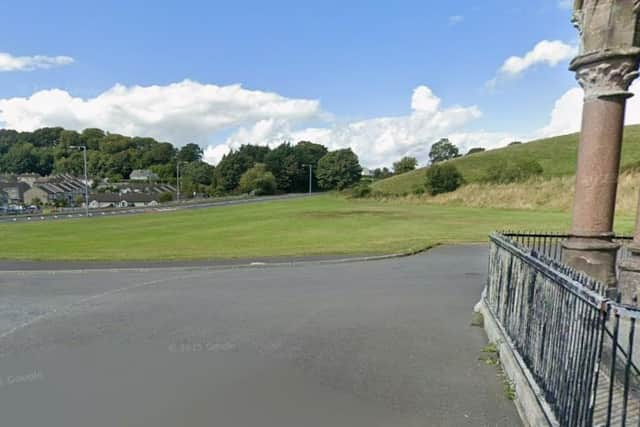
“There is also a deed of covenant stating this land must be retained as an open recreational space, which would have limited the revenue-raising by the council anyway.
“Even if a well-intentioned body bought the land and allowed public use of it, there was no guarantee that person or organisation would have the money or interest in five, 10 or 20 years’ time to regularly maintain this space and accept any liabilities that may arise. Why would residents agree to ditch a secure council maintenance schedule for an unknown arrangement by a private unaccountable body?”
Mr Bowsie argues that the council’s annual bill for maintaining the green, which he said amounts to a “modest” four-figure sum, is “money well spent to enhance community cohesion and health”.
He also gave credit to Shrigley Community Group, who ran a campaign demanding the cherished site be pulled from sale and kept for the village.
“This is a small win,” he added, “and there is still a lot to do in Shrigley to improve community facilities in this once thriving village.”
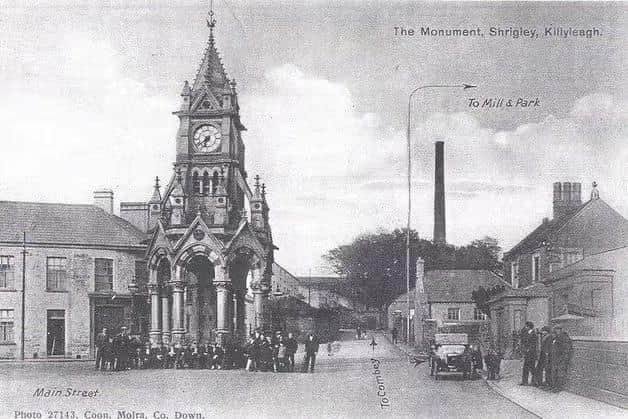
Created in 1824, Shrigley was the brainchild of industrialist John Martin, who came to Co Down to build a cotton mill and eventually a linen mill.
Alongside his mill he developed a self-contained industrial village – one of the first of what became known as ‘model villages’, carefully planned with well-designed housing, a school, a village hall and plenty of recreational facilities.