
Food NI goes Dutch with Northern Ireland’s food successes stories
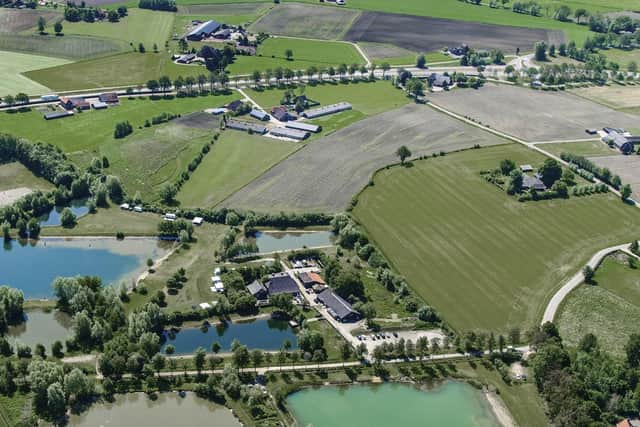
Achterhoek, a region of the Netherlands, is the latest part of the world to be influenced by the achievements of the Northern Ireland’s food and drink industry and promotional body Food NI.
Successful initiatives that raised the profile of food and drink here, especially in support of tourism, have attracted the attention of many parts of the globe and have helped shape many important measures.
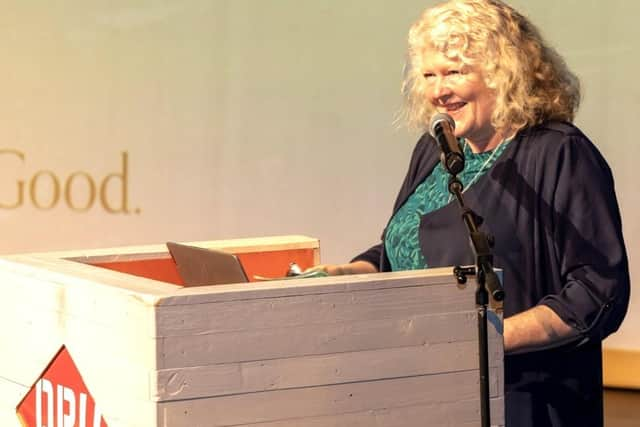

Food NI chief executive Michele Shirlow was recently invited to exchange experiences with Platform Achterhoek Food, a body aiming to strengthen the region’s network of entrepreneurs, farmers, schools, culinary teachers and students in the food business, tourism, social organisations, food developers and sports clubs, creating new and innovative partnerships and business opportunities.
Michele outlined Nothern Irelands’s success in promoting food and drink, especially as a key element in tourism, at a series of influential meetings in Achterhoek.
“As a result, due to our measurable outputs during the Northern Ireland Year of Food and Drink in 2016, and then winning Best Global Food destination in the International Travel and Tourism Awards 2018/19 and the Food NI Pavilion at Balmoral, we are now seen as a model of food/tourism development especially in emerging regions,” explains Michele, also a former Tourism NI board member.
“There’s now widespread recognition of the extent of the food and drink revolution in Northern Ireland during two decades.
"Other parts of the world are keen to learn from our success,” adds Michele.
She continues that Achterhoek is a rural region with “many solid, hard-working farmers who ‘just get on with it’ and don’t brag about what they are doing, despite having innovated and pivoted their businesses and having won many food and drink awards.
“Achterhoek, which shares much with Northern Ireland, especially in farming, aims to become a food region whereby its citizens, employees and visitors can choose healthy and sustainable food whilst producers take into account their impact on the climate, biodiversity, landscape and animal welfare.”