
DUP call for curbs on temporary release for absconder prisoners amid James Meehan furore
The DUP has demanded answers from the justice minister over the latest case of a prisoner going on-the-run.
Joanne Bunting, chairwoman of Stormont’s justice committee, said that the current approach being taken to prisoners is “reckless” and said the rules must be changed to restrict who can get temporary release.
It comes after news emerged this week that murder convict James Meehan, 55, had been detained in the Irish Republic.
He had gone on-the-run while on temporary release from Magilligan in December, where he was serving a minimum 14-year term for being part of a gang that ambushed and beat a father-of-four to death in Londonderry in 2007.
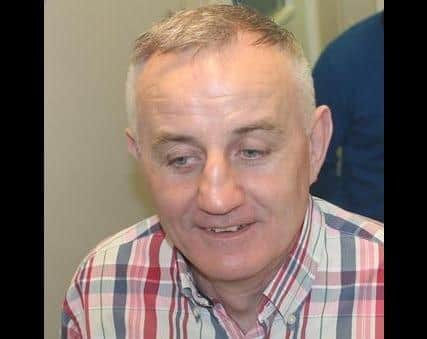

He had previously gone on-the-run in 2022, when he had also fled to the Irish republic.
He had also gone on-the-run just before being sentenced in 2009.
Ms Bunting said the case “raises serious questions about the policies that operate under the watch of the justice minister… the minister must explain why individuals who have already broken the rules are being trusted with further release”.
She said “that approach is reckless and puts public safety at risk,” adding: “Compassionate leave is an important facility, but when it is abused, and especially when it happens more than once, the rules must be tightened. That means tougher checks, stricter supervision, and removing the option entirely for those who repeatedly breach trust.
"The justice minister must get a grip on the entire issue of temporary release, urgently review policy, and issue clear, robust guidance.
"Public safety must come first – repeated failures of this kind are simply indefensible and dent public confidence in the entire justice system.”
Earlier in the week, the Department of Justice issued a press release on behalf of the NI Prison Service, which said: “Pre-release testing is a vital part of rehabilitation and resettlement back into society, particularly for those who have served long sentences.
“It is the responsibility of the NI Prison Service to prepare these individuals for release and reintegration back into society. After being risk assessed, prisoners begin graduated release into the community, firstly under supervision then progressing to short periods of unaccompanied release where they work in the community.
“The reality is that a small number will fail this test.
"The alternative would be to simply release people without any prior testing which would pose a far greater risk to public safety.
“The NI Prison Service has well-established procedures in place for raising concerns which staff are aware of. We have many excellent staff who are committed to supporting and challenging prisoners to change.
"This includes reporting any evidence they have of breaches of prison rules to ensure that appropriate sanctions can be imposed on those who are found to have breached those rules.
“Approximately 4,000 people enter and leave our prisons every year.
"Managing those individuals is challenging and while every step is taken to mitigate risk, this is not an exact science and on occasion some prisoners will make poor decisions.”
Minister Long also went on to BBC Radio Ulster to apologise to the family of Meehan’s victim over the case.