
Noah Donohoe could have been caught in a later tidal cycle, inquest hears
It is possible that Noah Donohoe, whose body was found in a storm drain, could have been caught by a later tidal cycle than experts have suggested, his inquest has heard.
Professor Carolyn Roberts, who is a water and environment consultant, has previously suggested Noah may have died during high tide around midnight, the inquest at Belfast Coroner’s Court heard.
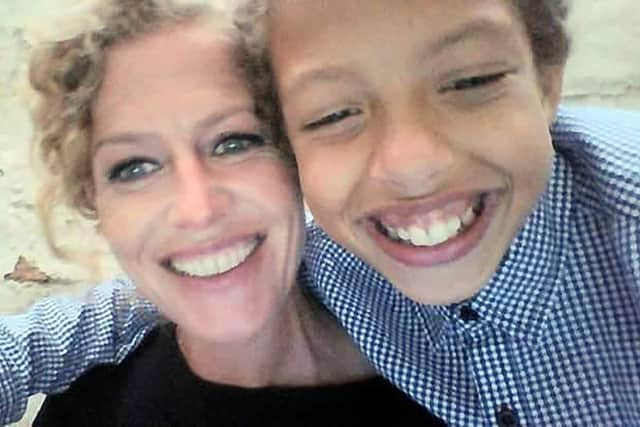

Noah, a pupil at St Malachy’s College, was 14 when his naked body was found in the underground water tunnel in north Belfast on June 27 2020, six days after he left home on his bike to meet two friends in the Cavehill area of the city.
He was found more than 600 metres downstream from where he had last been seen close to the culvert inlet behind houses at Northwood Road in north Belfast.
The inquest, which is now in its 16th week, heard that Prof Roberts was instructed by the coroner’s service to look into the case on the basis that it was believed that Noah had entered that storm drain around by the time that he was last seen at around 6pm on June 21 2020.
Brenda Campbell KC, counsel to Noah’s mother Fiona Donohoe, pointed out there had been reports of “noises” and activity between midnight and 3.30am in the area.
Ms Campbell suggested that maybe Noah could have gone into the culvert after the first tide cycle and remained above the tidal zone for several cycles.
Prof Roberts said she was not aware of these reports and described herself as being “very mindful” when she does these investigations of “post hoc rationalisation”.
Prof Roberts said she tries not to take on board any evidence that is outside her area of expertise.
On whether the reports of noises could have any bearing on her assessment, Prof Roberts said: “It would have been possible for Noah to have not entered the sewer until after that high tide cycle and still would have had time to crawl along the sewer to the point at which his body, very sadly, was discovered, but he would have probably then been caught by the next high tide cycle.”
Ms Campbell suggested that maybe Noah could have gone into the culvert after the first tide cycle and remained above the tidal zone for several cycles.
Prof Roberts stressed she has no medical expertise but she has knowledge about bodies in rivers and cold water and that “people do succumb relatively quickly”.
It was likely the cold would have contributed to him becoming “disorientated and finally succumbing”, she suggested.
The jury have been told that a note from experts who have looked into the circumstances of Noah’s death suggests the youngster may have died close to midnight in the lower parts of the culvert.
Under cross-examination from Donal Lunny KC, for the Police Service of Northern Ireland (PSNI), Prof Roberts said: “Your colleague elicited from me earlier the possibility he died in a later tidal cycle.
“I still think that cycle is not likely because of the cold and wet he would have experienced after the first cycle.”
She described this as “the most likely scenario”, adding: “It doesn’t preclude the possibility the child survived until a later cycle but on the balance of probabilities, we thought that scenario was correct.”
She accepted Mr Lunny’s suggestion “you don’t need the culvert to be full of water to drown within it” and a range of factors such as collapse, fatigue or a person losing consciousness could have an impact.
Noah also had an injury to his skull and experts could not say if this would have made him dazed, the court heard.
Prof Roberts said that once someone is submerged in cold water they would succumb quite quickly, saying: “If he (Noah) had been inside for a long period, he would have had to sit down or lie down in cold water.
“I don’t think that situation could have pertained for very long before he became very cold.”