
Regulations to reduce pollution ‘not doing enough to improve water quality’
Regulations aimed at reducing pollution from agriculture have not done enough to improve water quality in Northern Ireland, a new report has stated.
The Office for Environmental Protection (OEP) report assessed the effectiveness of the Nutrient Action Programme (NAP) Regulations, which have been in place since 2019.

The OEP concluded that the regulations need to be "significantly strengthened and better implemented" if they are to deliver improved water quality.
Professor Robbie McDonald, OEP chief scientist, said: "Nutrient pollution is a key threat to Northern Ireland's waters.
"Nutrient emissions from both agriculture and wastewater must be reduced greatly and rapidly to tackle the widening crisis we see across water bodies, such as Lough Neagh and Lough Melvin."
The OEP pointed out that nutrients, primarily nitrogen and phosphorus from agriculture and wastewater, cause water pollution.
Manure spread on land and the resulting run-off carry excess nutrients into waterways - polluting lakes, rivers and coastal waters as well as harming sensitive habitats, the report said.
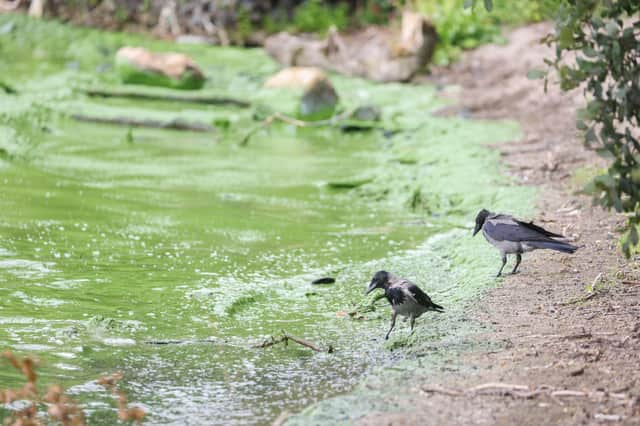
Agricultural pollution is a contributor to the blue-green algal blooms which have blighted Lough Neagh and other water bodies in recent years.
Prof McDonald said: "The agriculture industry and farmers have made considerable progress in reducing nutrient emissions, through innovation and investments in infrastructure and changes to farming systems, since the first NAP regulations were introduced nearly 20 years ago.
"However, despite these positive efforts the evidence in our report shows further significant change is urgently needed.
"The current NAP regulations and aspects of their implementation have clearly been insufficient to deliver much-needed improvements in water quality.
"To reduce water pollution and secure the future of Northern Ireland's waters, the NAP regulations need to be significantly strengthened.
"This should happen alongside measures that effectively address pollution from wastewater."
The Department of Agriculture, Environment and Rural Affairs (DAERA) is required to review the NAP regulations every four years.
DAERA published draft NAP proposals for consultation in May last year. The next round of proposals is expected to go out for a second consultation in the coming months, the OEP said.
Prof McDonald said: "The revision of the NAP offers the key opportunity for the Executive to help deliver on water quality as well as better protecting and improving the environment in Northern Ireland, which is under unsustainable pressure.
"The evidence in our report is important and relevant to the ongoing discussions about the NAP proposals and we hope helpful to DAERA minister (Andrew) Muir and the Executive in seizing the opportunity to ensure the revised NAP secures the future of Northern Ireland's waters."
The report makes a number of recommendations including limiting the amount of extra nutrients given to animals and crops.