
Burrows presses on with new approach to health after Nesbitt resignation - saying UUP must have 'courage to listen to people'
Jon Burrows has said that health reform cannot be “done to communities” and that balance was not right under Mike Nesbitt – who spectacularly quit as health minister in a row over cutting services at the Causeway hospital.
Mr Nesbitt said his leader’s opposition to the proposed changes had created “shock waves” in the health and social care (HSC) system – and claimed he had found out his views by “monitoring the media”.
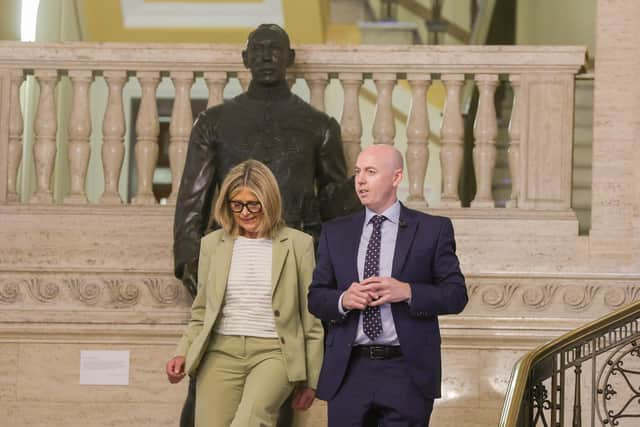

While praising the former health minister’s record, Mr Burrows set out a new UUP approach to how the NHS should operate. He said opposing specific proposals is not the same as opposing reform.
The UUP leader has also ended speculation that he may not appoint a new health minister and take the party into opposition at Stormont – announcing on Wednesday afternoon that a new UUP representative would be announced by Thursday morning.
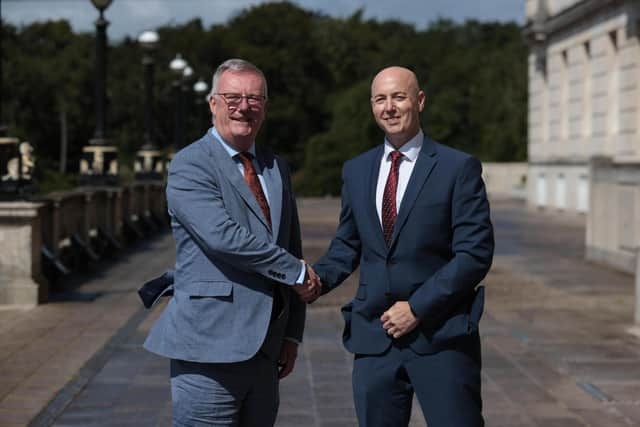
DUP leader Gavin Robinson had said the test for Mr Burrows is whether he would appoint a health minister who will deliver the commitment he made to the people of Causeway, or “walk away from the executive and surrender responsibility for health altogether”.
Mr Burrows had come in for criticism this week for saying he would never accept changes to the provision of emergency general surgery at the Causeway hospital in Coleraine – reforms advised by the local health trust who said the current arrangements were unsustainable.
This infuriated the health minister Mike Nesbitt, who quit – accusing his leader of having introduced a new “red line” which he had not made clear when he took over as party leader earlier this year.
However, addressing journalists at Stormont on Wednesday, Mr Burrows said it is “simply not acceptable that people in areas like Fermanagh with the SWAH, or Causeway and the north coast are kept in the dark about the reasons for change of services. About what impact they would have, about what contingencies had been thought through”.
Mr Burrows was asked a number of times whether he would rule himself out of contention for the post. He insisted he would not engage in “speculation” over the identity of the next minister.
“I’m not going down a rabbit hole here of talking about who’s going to be the next Health Minister, I will make that decision overnight,” he said.
“I will make a weighed-up decision swiftly, but not hastily, in the best interest of people in Northern Ireland.”
Addressing questions about the resignations of Mike Nesbitt and Doug Beattie in recent months, Mr Burrows said he had promised change and that’s what he would deliver.
“This party has gone through change. Let’s be really clear, I’m offering new leadership and change for the Ulster Unionist Party. I said that on day one.
“Things are going to change. We need to reconnect with the public, we need to be speaking about the public priorities – and we need to have the courage to listen to people around this country and deliver for them”, the UUP boss said.
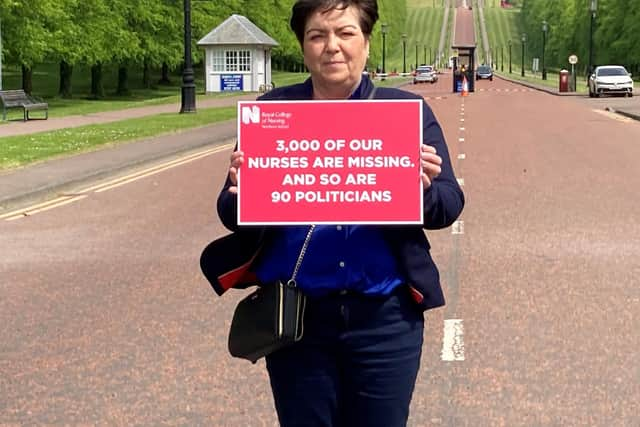
Reacting to Mr Nesbitt’s resignation, Rita Devlin, Executive Director of the Royal College of Nursing in Northern Ireland, said it came “at a particularly challenging time for NI's health and social care system”.
“We are disappointed to see him leave office at a time when significant decisions are needed to improve services for patients and address the pressures facing the nursing workforce.
"Over recent months, progress has been made in a number of important areas and it is vital that this momentum is not lost. Patients, service users and staff need continuity, stability and a sustained focus on delivering the transformation that is needed across health and social care”.
Niall McGonigle, Northern Ireland Director of the Royal College of Surgeons of England thanked Mr Nesbitt for his service as Health Minister and for his commitment to improving health and care services in Northern Ireland.
"The Royal College of Surgeons supports the modernisation and transformation of surgical services where this improves outcomes for patients and helps ensure services are sustainable for the future.
“We would encourage all parties to continue working collaboratively in the interests of patients and to support the stability of the health service”, he said.