
Moves to rename two streets called after Prince Andrew due - despite no one from the area asking for change and it being four times harder than adding the signs in Irish
Moves to rename two streets called after the former Prince Andrew are to be heard this week, despite no one from the area asking for any changes and the process being four times harder than adding signs in Irish would be.
Two streets in the south of Belfast are named in honour of the disgraced royal, Prince Andrew Park and Prince Andrew Gardens, which run off Donegall Road near City Hospital.
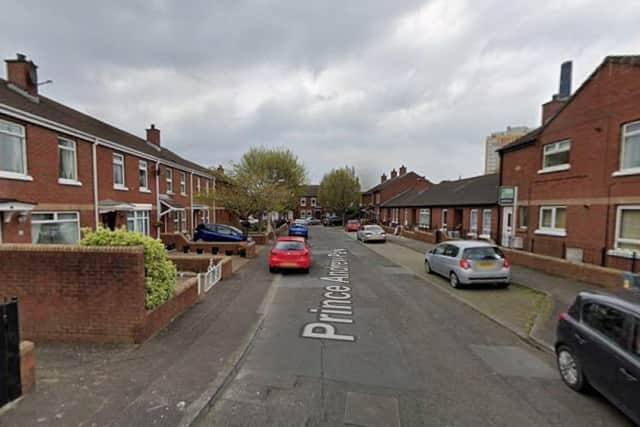

On Friday, ways of changing their names are due to be debated by a council committee. It might turn out to be a difficult needle to thread, however, as the council has very strict criteria for altering the names on street signs – unless it’s to put them in Irish, in which case it’s much simpler.
Thanks to a rule change from Belfast Council a few years ago, adding street signs in Irish is smooth and easy, even in unionist areas where more people oppose them than want them.
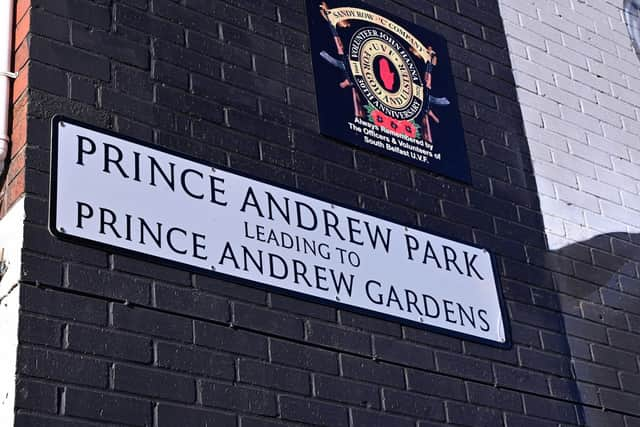
However, removing the name of one the most controversial figures in Britain from a street sign in English is an uphill struggle, as rules weren’t relaxed for the language.
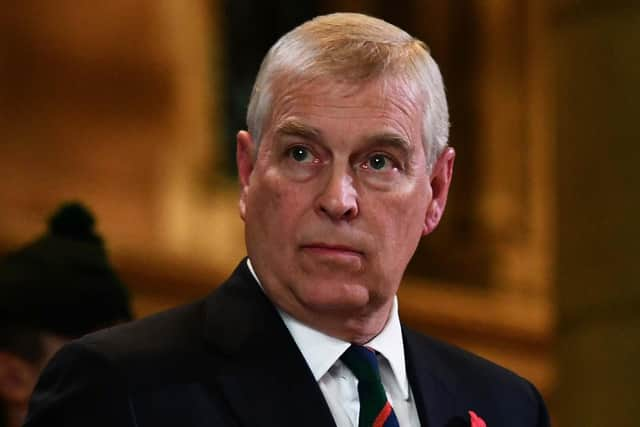
Last November the disgraced 65-year-old was stripped of his titles and honours, including the ability to use ‘Prince’ and ‘Royal Highness’, in the face of continuing controversy over his links to paedophile billionaire Jeffrey Epstein. Belfast councillors have asked how they could get streets named in tribute to the man now called Andrew Mountbatten Windsor reworked into something far less contentious.
Council rules mean that changing a name in English requires a hefty ground-up campaign, in which at least one-third of the residents of a specific street have to back the idea of changing its name and then petition the council for it, while also supplying two suggestions of what the road should be called instead.
Officials will then survey the street; unless at least two-thirds of residents reply to that poll saying they want it to happen, the name change move will fail.
By contrast, adding Irish signs only needs one person to suggest the move, and then just 15% of residents need to OK the change for it to go ahead. That’s less than a quarter of the amount needed for an English-language change, and Irish signs would be built even if the other 85% say it shouldn’t be done.
According to reports seen by the News Letter, no one in either of the city’s two ‘Prince Andrew’ streets has asked for their names to be changed. That’s led to a suggestion of skipping the petition and moving straight to a survey of residents – though the two-thirds threshold would still apply.
If that happens, states the report, area councillors and local authority officials will come up with alternative names for each street and those options would be put to households in surveys.
The council used to apply the two-thirds approval grade equally to all street name changes, but rewrote the rules for Irish signs while leaving the English criteria untouched.
The 15% threshold applies to dual language signs adding any language other than English, but in practice only Irish signs have been approved since the 2022 rule change came into effect.