
Probe into using Irish language to boost economy branded 'Sinn Fein electioneering': Stormont money better spent on real issues instead of political theatrics, says UUP deputy leader
Twin probes into whether the Irish language could boost Northern Ireland’s economy have been labelled a Sinn Fein stunt that’s only coming as the party eyes next year’s Assembly election.
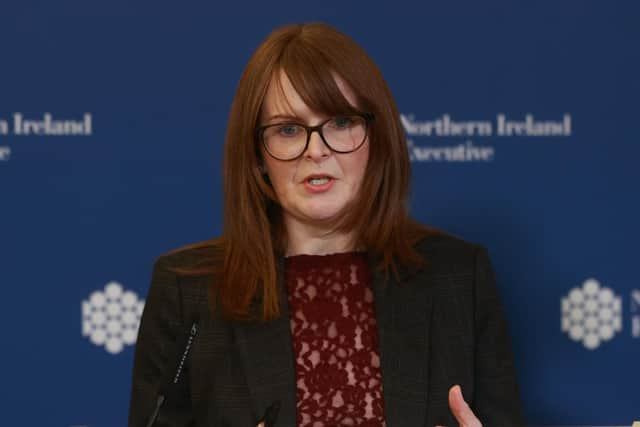
Announced on Monday by Economy Minister Caoimhe Archibald, two Stormont-funded research projects are to look into whether increasing the spread of the language could boost the fortunes of businesses across the province.
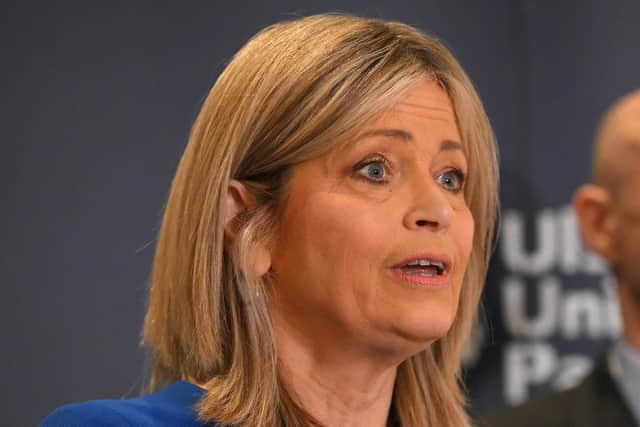

But the UUP’s deputy leader has now accused the Sinn Fein minister of only commissioning the research in a bid to win votes in next May’s poll, decrying it as “political theatrics” from a party increasingly seen as “prioritising symbolic initiatives relating to the Irish language, while many essential public services remain under immense pressure”.
Said MLA Diana Armstrong: “We need fewer performative political exercises and a greater focus on delivering practical outcomes that improve people’s lives.
“The resources being devoted to this research could be put to far better use by accelerating existing projects within the Department for the Economy and demonstrating that Stormont is capable of delivering tangible improvements for businesses, workers and communities. “The proposition that the Irish language can make a direct contribution to economic growth is, on the surface, an attractive one. Languages can undoubtedly play an important role in international trade and investment.
“However, within these islands, where English is overwhelmingly the common language of commerce, serious questions must be asked about whether commissioning this research represents the best use of limited public funds.”
Describing Ms Archibald’s move as “symptomatic of the election fever” already gripping many parties as next May’s election nears, she told the News Letter: “Pursuing highly political initiatives in this way also risks undermining the genuine cultural and linguistic interests of those who value and promote the Irish language.
“As we move through the summer and towards the election campaign, I suspect we will see no shortage of political theatrics from the executive’s largest parties as they seek to mobilise their respective electoral bases. The public, however, are looking for delivery, not distraction.”
One of the research projects will be an economic impact assessment of the Irish language, while the other will analyse the effectiveness of a workplace training programme run by a Gaelic body in west Belfast.