
SAS letter 'shows the strength of feeling against Troubles bill' says Northern Ireland Veterans Commissioner
A legal threat from the SAS Regimental Association to the government has revealed the sheer "strength of feeling" there is among former soldiers about the Labour government's Northern Ireland Troubles Bill.
That is according to David Johnstone, the Northern Ireland Veterans Commissioner, who told the News Letter that the SAS body's move is both "unusual" and "predictable".
This is so because whilst such legal action itself would be "unprecedented", a looming set of inquests (like the one into the killing of eight IRA men by the SAS at Loughgall) raise the possibility of former members of the regiment being charged with crimes.
As the News Letter reported this week, a letter was sent from the SAS Regimental Association, a charity, via law firm Sidley Austin to the Northern Ireland Office, for the attention of Northern Ireland Secretary Hilary Benn. It pledged that “if the bill is enacted in anything like its current state, it will be subject to challenge”.
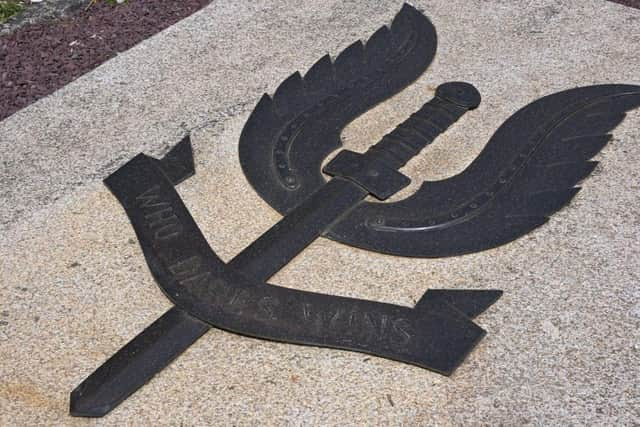

Across seven pages the letter savaged the planned legislation in detail, largely on the grounds that the protections for veterans which the government has touted as part of it are “weak, mostly discretionary, and in almost all cases, are routinely available anyway" (including being allowed to give evidence via videolink and having the right to request anonymity).
The legislation will set up the Legacy Commission to look into old Troubles cases with the possibility of prosecution if wrongdoing is discovered, and will restart a series of inquests into Troubles incidents which had been halted by the previous Tory government.
Inquests are civil, not criminal, investigations into deaths, but they can uncover details that can lead to people being criminally charged.
Whilst the government has promised that the Legacy Commission "won’t needlessly duplicate" earlier investigations, the SAS Regimental Association has stated: "Abuse of process safeguards and the double jeopardy principle already provide this protection.
"Moreover, it is not understood how duplication can be avoided since almost all of the situations in question will have been examined multiple times."
Mr Johnstone has now told the News Letter: "The announcement of potential legal action by the SAS Regimental Association reiterates the strength of feeling that I have been highlighting among veterans regarding the Legacy proposals contained within the NI Troubles Bill.
"This legal action would be unprecedented, but following on the back of the recent statement by the nine senior officers and Lord Dannatt’s comments, both also unprecedented, it is not surprising.
"On the recent Coagh inquest ruling, the judge stated the appeal brought was 'ludicrous', but that was not before the SAS soldier endured the anxiety and uncertainty of four years of legal process.
"The government refuses to recognise that the legal process itself is being used to punish soldiers.
"Add in the Clonoe inquest ruling, with the announcement of further inquests including Loughgall coming down the track, it is becomes entirely predictable that the SAS association feel compelled to take this unusual step to protect its members.
"It is imperative that the UK government offers appropriate protections to those it sent to NI, and listens to the voices of veterans and the wider armed forces community."
The Coagh inquest was into the killing of three IRA men by the SAS in 1991. The trio had been on a mission to kill a part-time UDR member at the time.
The inquest ruled in 2024 that the SAS actions that day had been justified.
The IRA men’s families complained they should have been arrested, and a relative of one of the dead IRA men, Tony Doris (a cousin of Michelle O'Neill), sought to have the ruling quashed.
Mr Justice Gerry McAlinden dismissed this as "ludicrous".
The Clonoe inquest ruling was handed down in February this year.
Mr Justice Humphreys had looked into the killing of four IRA men by the SAS just after they machine-gunned a police station, and found the SAS actions had been "not reasonable".
In response to the criticisms in the SAS letter this week, the Northern Ireland Office pointed the News Letter to comments made by Hilary Benn in the Commons, namely: “There will be protection from repeat investigations, so the commission doesn't go over old ground without compelling reasons.
"There will be protection from cold calling, and protection in old age so that elderly veterans are respected.
"And those who do contribute to the legacy process will have a right to anonymity, a right to stay at home to give evidence remotely, and a right to be heard through the commission.”
He had also said: “I will continue to talk to victims and survivors, veterans and others, and colleagues in all parts of the house, during the passage of the bill to consider where amendments might further improve it.
"Equally, I hope that all who seek a fair and effective way forward will recognise that the bill represents a fundamental reform of current arrangements, and that it should be given a chance to succeed."