
What should matter more than MLAs' pay is their performance says economist - and adds that linking their salaries to average wage 'unlikely to satisfy entire public'
The real question people should be asking is not how much the Province’s politicians are paid but how “productive” they are.
That is the view of economist and former UUP MLA Esmond Birnie, in the wake of a decision by the Independent Remuneration Board to recommend another hike to MLAs’ salaries.
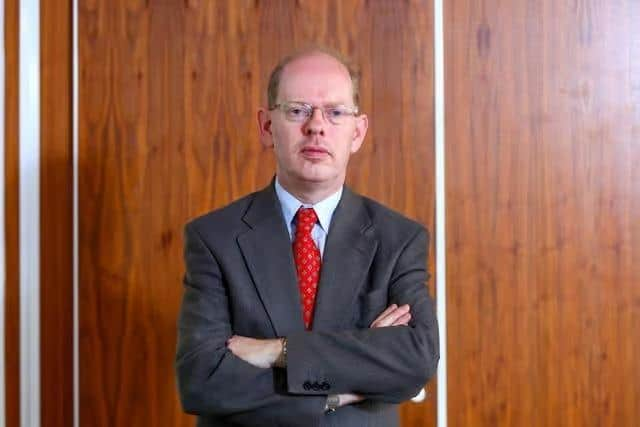

Dr Birnie of Ulster University also said that a move to tie MLAs’ pay to that of the average worker is unlikely to “make all of the public happy”, though it may come to be accepted in time.
Under the board’s plans (which are now out to public consultation), as soon as the Assembly sits after the upcoming election in May 2027, MLAs’ basic pay should go from £67,200 to £69,216 (a rise of 3%).
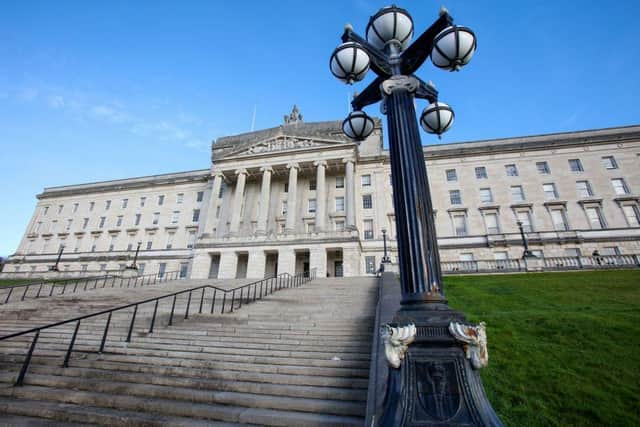
MLAs had a pay rise five months ago.
Their basic salary was £53,000, but then in April it jumped to £67,200 (a rise of 27%), also at the behest of the pay board, which is a three-man panel of non-party political figures who said that they needed to compensate for a lack of pay rises in the several years prior to that.
Announcing the new 3% hike on Thursday, the board said it also envisages further annual rises in pay for MLAs, but that these will mirror the growth in the median earnings of the general workforce, and would be capped at a maximum of 3%.
The TUV, Alliance, and Sinn Fein all came out strongly against the new pay rise.
Other parties were invited to comment, but have yet to respond.
Dr Birnie said: “For sure this is not going to be a popular proposal coming from the independent body regarding the remuneration.”
Dr Birnie – who served as MLA for Belfast South from 1998 to 2007 – also went on to say: “Personally what concerns me rather more than the amount of MLA pay is how effective or productive they have been in practice.
"How far has the Assembly been able to introduce legislation and how far has that legislation been useful or beneficial?
"To what extent has the Executive introduced policies in NI which differ from those in the rest of the UK, and when they do so have the results been beneficial or harmful?
"The wags will say we should have payment by results – but it is hard to design a system to do that.
"Of course, the ultimate sanction the public do have is they can refuse to re-elect MLAs at the next election, but that does beg the question og whether we are being offered alternatives who would really be all that more productive?”
When it comes the plan for MLAs’ pay rises to match rises for the average worker, Dr Birnie said: “What the independent body is trying to do here seems to be a ‘de-politicisation’ of the process – that is, reducing it to a formula.
"It will be argued that increases in MLAs’ pay are being linked to the average of all full-time workers in NI.
"Even the use of formula is unlikely to be make all of the public happy, but it is possible over time the mechanism might be accepted.”
When the Assembly first started out in 1998, the standard salary for an MLA was £22,457.
According to the Bank of England’s inflation calculator, £22,457 would be worth £45,256 today when adjusted for inflation, which has averaged out at about 2.5% annually between 1998 and now.