
How mixed-use developments can support the regeneration of Belfast's neighbourhoods
Regenerating an established neighbourhood involves more than constructing new homes or replacing ageing commercial buildings.
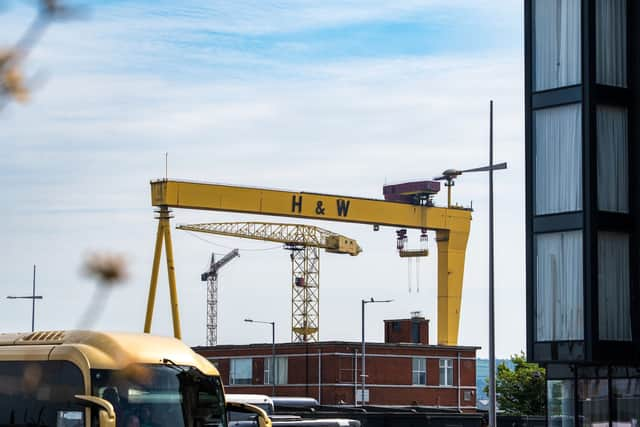

Successful regeneration needs to create places where people can live, work, access services and spend time within the same community. Mixed-use developments are increasingly important to this approach, combining residential, commercial and community spaces to support more sustainable urban growth.
A recent planning decision in west Belfast illustrates how this model can work in practice. In October 2026, Belfast City Council approved plans for a development near Monagh By-pass comprising two three-storey apartment buildings with 36 social housing units, alongside seven business and light-industrial units. The scheme will introduce new housing while retaining space for employment and commercial activity, bringing different uses together within a single development.
This approach can offer several advantages for neighbourhoods undergoing change. Providing homes alongside business premises helps create areas that remain active beyond traditional working hours.
Residents can live close to workplaces, while local businesses gain access to a nearby customer base. Rather than separating residential districts from employment areas, mixed-use planning can encourage a more connected local economy.
For Belfast, this is particularly relevant as the city looks to address housing demand while making better use of available urban land. New residential developments can bring additional residents into established neighbourhoods, supporting local shops, services and public transport.
Including commercial or light-industrial space can also help preserve opportunities for smaller businesses that might otherwise be displaced as an area becomes more residential.
The wider benefits depend on how developments are designed. Ground-floor commercial units, for example, can help create active streets and provide space for independent retailers, offices or service businesses.
Well-planned pedestrian routes, communal areas and landscaping can make developments more accessible and encourage interaction between residents and the wider community. These features help ensure that regeneration creates a functioning neighbourhood rather than simply a collection of new buildings.
Mixed-use projects can also make more efficient use of land. In established urban areas, suitable development sites are often limited, and larger plots may be difficult to assemble. Combining housing with commercial accommodation can allow developers to deliver several types of infrastructure within a single footprint. This can be particularly valuable where former industrial or underused commercial sites are being brought back into productive use.
However, combining different building types and occupiers introduces additional construction and planning considerations. Residential accommodation has different requirements from business or industrial premises, particularly around noise, access, fire safety, servicing and environmental performance. Developers must consider how these uses will operate alongside one another, both during construction and once the development is occupied.
Construction teams also need to coordinate multiple workstreams, suppliers and specialist contractors. Residential units, commercial spaces, utilities, access roads and landscaping may follow different delivery schedules, but they must ultimately come together as a coherent development. Changes to one part of a project can affect budgets, procurement and completion dates elsewhere.
This makes effective project management particularly important. Clear communication, realistic scheduling and ongoing progress monitoring can help identify potential problems before they affect the wider programme.
Developers and contractors can benefit from understanding different construction project management methods when deciding how to organise teams, allocate resources and manage the competing demands of complex developments.
Community engagement is another important factor. Existing residents may have concerns about construction disruption, increased traffic, building heights or pressure on local services. Involving communities during the planning and design stages can help identify these issues early and ensure that new developments respond to local needs. Affordable housing provision and accessible public spaces can also help make regeneration more inclusive.
Belfast's Monagh By-pass scheme is one example of how housing and employment uses can be incorporated into a neighbourhood development. The council also approved a separate scheme for 29 homes near Mount Eagles Avenue, including six affordable properties, demonstrating the wider role of residential investment in supporting growth across west Belfast.
Ultimately, successful regeneration should be measured by more than the number of buildings completed. The quality of the resulting neighbourhood, the opportunities available to residents and the ability of local businesses to thrive are equally important. By bringing homes, workplaces and supporting facilities together, mixed-use developments can help Belfast create more connected, resilient communities while making better use of its existing urban environment.