
Northern Ireland holidaymakers warned over nine costly mistakes that could ruin an October half-term getaway
With families across Northern Ireland preparing to jet off for October half-term, new research reveals almost one in four Brits travelled without insurance on their last holiday, potentially leaving them facing unexpected bills.
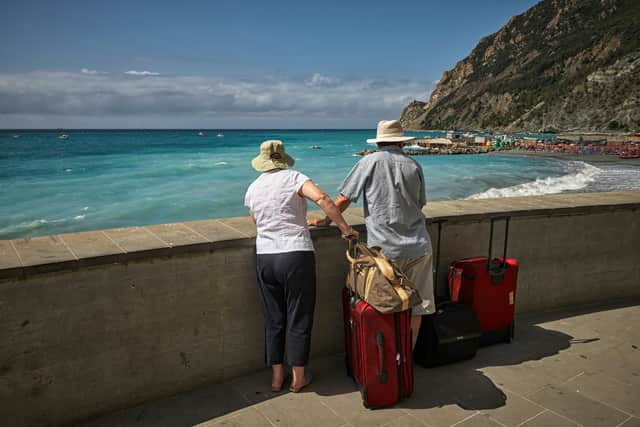

Families across Northern Ireland heading abroad this October half-term are being urged to check their travel arrangements carefully, as experts warn that simple booking mistakes could leave holidaymakers hundreds or even thousands of pounds out of pocket.
Whether flying from Belfast International or George Best Belfast City Airport, or travelling further afield for some autumn sunshine, holidaymakers are being reminded to check everything from passport validity and travel insurance to baggage allowances and European entry requirements before setting off.
The warning follows new research commissioned by Post Office Travel Insurance, which found that nearly one in four people across the UK (24%) travelled without insurance on their last holiday.
Meanwhile, Google searches for 'autumn holiday' reached 70,000 between September and October 2026, highlighting continued interest in getting away during the quieter autumn months.
While last-minute holidays can offer attractive deals, particularly for families hoping to escape the colder weather, overlooking important details could quickly turn a bargain break into an expensive mistake.
To help Northern Ireland holidaymakers avoid unnecessary costs and disruption, Post Office Travel Insurance has shared nine essential checks to make before heading abroad.
1. Check your passport before booking
One of the easiest mistakes to make is assuming your passport is valid simply because it hasn't expired.
Different destinations have different entry requirements, and some countries require passports to remain valid for several months beyond the date of travel.
For British passport holders travelling to most countries in the Schengen area, passports generally must have been issued less than ten years before arrival and remain valid for at least three months after the intended departure date.
Families should also double-check children's passports, which have shorter validity periods than adult passports.
Failing to meet the requirements could mean being refused boarding and potentially losing the cost of flights and accommodation.
2. Be aware of changes to European border checks
Northern Ireland travellers heading to destinations such as Spain, Portugal, France or Italy should familiarise themselves with the EU's Entry/Exit System (EES).
The system introduces digital registration and biometric checks for many non-EU travellers crossing Schengen borders.
Depending on the destination and border crossing, additional checks could mean longer queues.
Travellers should allow plenty of time for airport procedures and check the latest guidance before departure, particularly when travelling with children.
People travelling on Irish passports should also check the entry arrangements relevant to their nationality, as EU citizens are subject to different rules.
3. Don't leave travel insurance until the last minute
One of the biggest mistakes holidaymakers make is waiting until the day before departure to buy travel insurance.
Research commissioned by Post Office Travel Insurance and conducted among 2,001 UK residents found that 24% travelled without insurance on their last holiday.
Depending on the policy, suitable travel insurance may provide protection against unexpected medical bills, cancellation and other disruptions.
For families travelling abroad, particularly those booking flights, accommodation and activities separately, costs can quickly add up if something goes wrong.
Buying insurance as soon as a holiday is booked can help ensure cancellation cover is in place from the appropriate policy start date, although travellers should always check the terms, exclusions and cover limits.
4. Check your GHIC before travelling to Europe
Northern Ireland residents travelling to Europe should check whether they have a valid UK Global Health Insurance Card (GHIC) or another healthcare entitlement.
A GHIC allows eligible travellers to access medically necessary state healthcare in many European destinations on the same basis as local residents.
However, it doesn't guarantee free treatment and is not a replacement for travel insurance.
It will not necessarily cover private medical treatment, mountain rescue or the cost of getting someone back to the UK following a serious accident or illness.
Some people living in Northern Ireland may be eligible for different healthcare arrangements depending on their circumstances.
Travellers should check which card they qualify for and ensure it is valid before departure.
5. Double-check baggage allowances
Whether travelling with a budget airline or a full-service carrier, holidaymakers should never assume their ticket includes a large cabin bag or checked luggage.
Airlines have different rules on baggage size and weight, and arriving at the airport with an oversized bag could result in additional charges.
Families travelling with young children should also check allowances for pushchairs, car seats and other equipment.
Checking the rules before packing could help avoid an expensive surprise at the airport.
6. Make sure medication is ready
Anyone taking regular medication should ensure they have enough supplies for their holiday, allowing time to arrange repeat prescriptions if necessary.
Some destinations have restrictions on certain medicines, while others may require supporting documentation.
Essential medication should generally be carried in hand luggage, ideally in its original packaging, along with any required medical letters or prescriptions.
7. Download important documents before leaving home
With boarding passes, hotel confirmations and travel details increasingly stored on mobile phones, losing internet access or running out of battery can cause unnecessary complications.
Holidaymakers should download documents in advance so they can access them without an internet connection.
Keeping copies of flight bookings, accommodation details, transfers and travel insurance information can make it easier to resolve problems while abroad.
8. Save emergency contact numbers
Before departing, travellers should save essential contact details, including their airline, accommodation provider and travel insurer's emergency assistance number.
Families should also ensure more than one adult has access to these details in case a phone is lost or someone becomes unwell.
9. Keep an eye on the weather
Autumn weather can be unpredictable, and storms, strong winds and heavy rainfall can affect flights, ferries and onward travel.
Holidaymakers leaving Northern Ireland should monitor forecasts and check for travel disruption before setting off.
It's also important to understand what a travel insurance policy covers if bad weather affects a journey.
Not every delay, cancellation or missed connection will automatically qualify for compensation or reimbursement.
Expert warns families not to overlook the small details
Adam Edinburgh, Head of Post Office Travel & New Products, said:
"Last-minute holidays can be a great way to save money, but they also increase the likelihood you might forget something important. Checking passports, entry requirements, insurance and key travel documents early can help travellers avoid unnecessary stress and travel with more confidence.
"Travel insurance is worth arranging as soon as a trip is booked, as cancellation cover may begin from the policy start date, depending on the cover level. A simple checklist can help travellers stay organised and avoid last-minute issues."
With the October half-term getaway approaching, families across Northern Ireland are being encouraged to check their travel documents, insurance arrangements and booking details before heading to the airport.
Taking a little extra time to prepare could make the difference between a relaxing autumn break and an expensive travel headache.
For more information, visit: https://www.postoffice.co.uk/travel-insurance