
Stormont refuses to plug a £1m hole in Belfast Council's hardship fund, which was discovered shortly after giving double that to Irish signs blitz: Just £75k left for people hit by cost of living crisis
Stormont is refusing to plug a £1m hole in Belfast Council’s cost of living crisis hardship fund – a gap discovered just weeks after councillors voted to splurge double that amount blitzing Irish signs across the city.
As the News Letter revealed last month, the council has just £75,000 left of an underspend that could go towards a hardship pot that handed out £1.1m to programmes helping people and families struggling with rising food and fuel costs.
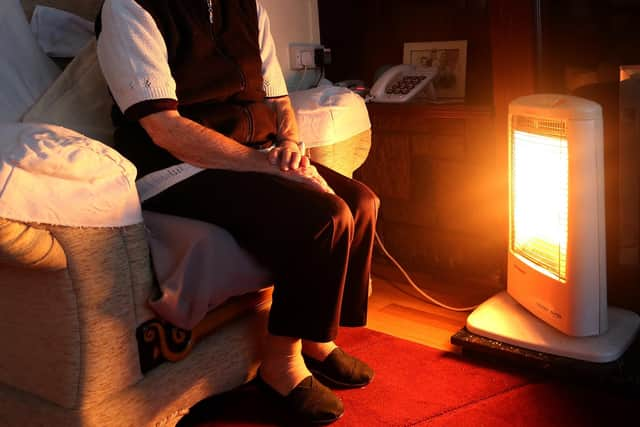

Programmes aimed at helping children, older people, and those in fuel poverty will be particularly badly hit by the £1m hole, officials have stated.
In September, politicians voted to ringfence £1.9m of the local authority’s underspend to pay for Irish language signs, as part of a new policy to blaze them on every council-owned park, playground, leisure centre and sports pitch – even ones in staunchly unionist areas.
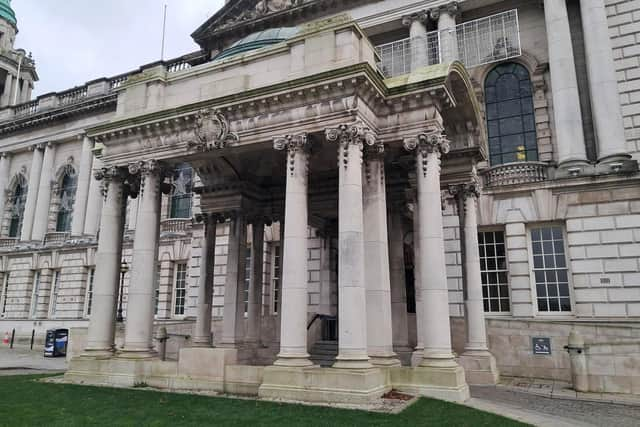
The £1.9m sum is to cover the first two years of the policy, which prioritises building signs in the city centre as well as west Belfast’s Gaeltacht quarter, and landmarks such as Belfast Castle and Belfast Zoo.
The situation has seen TUV councillor Ron McDowell accusing the council of “taking from the pockets of 50,000 people” helped by the hardship programme to pay for Irish signs.
"People are sitting at home, worried about choosing between food and heat, and we have taken away a means Belfast City Council had of helping them,” he said.
“People can’t eat an Irish sign. We’re swapping helping people in their homes for putting dual language signs in Belfast Zoo.”
The council recently went to Stormont’s Department for Communities (DfC) asking it to fill the £1m hole.
The first year of the programme was paid for using a combination of a £720,000 DfC grant plus underspends from a Covid support scheme; the second year’s was entirely from the council’s coffers, allocated on a one-off basis from VAT receipts.
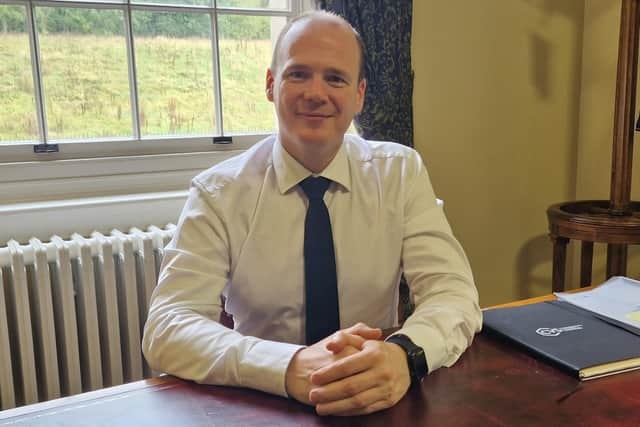
But the DfC has refused to step in, with Communities Minister Gordon Lyons reinforcing the initial grant was a one-off move that wouldn’t be available in future, and the council was told so at the time.
In a letter due to be discussed by a council committee later this week, but seen by the News Letter, Mr Lyons states the council’s chief executive was informed the grant “was non-recurrent; it would not be available in future years, and should be considered additional to any hardship support funding already offered by the council”.
He adds: “I remain committed to providing services that help people who have fallen on hard times through initiatives such as the Social Supermarket Scheme, Discretionary Support Scheme, [and] Affordable Warmth Scheme as well as the winter fuel payments to those who are eligible.”
Reports prepared by council officials confirm this leaves the local authority with a budget of £75,000 for the next round of its hardship programme, which will be divided between 11 “family support hubs” across the city.
Those hubs are a combination of statutory, community and voluntary organisations, offering early intervention for families and young people. They can provide help with debt, bereavement, behavioural issues and concerns that a child may have additional needs.
Reports do not draw any explicit connection between the £1m hole in the hardship programme and the £1.9m recently allocated for Irish signs over two years.
The signs policy states that in addition to major landmarks, the city centre and the Gaeltacht Quarter, any electoral wards in which more than 15% of residents told the last census they had some ability in Irish will be a high priority for new signage on council-owned facilities.
But signs bearing both English and Irish will eventually be rolled out across every council building, park and pitch, while Belfast Council’s current logo will be junked and replaced with one including Irish that will be added to council vans and uniforms.
Unionist councillors have voiced fears that taxpayers will be left footing the bill for the full blitz after the initial £1.9m runs out through rates rises.