
One in 43 NI adults carry high‑risk ‘Celtic Curse’ gene: report
New findings from five years of community genetic testing in Northern Ireland have revealed notable levels of high‑risk genetic profiles associated with genetic haemochromatosis (GH), the province’s most common inherited condition.
The new analysis shows that one in 43 people tested carried the principal high‑risk genetic profile linked to GH, highlighting what experts describe as a significant opportunity for earlier detection and prevention.
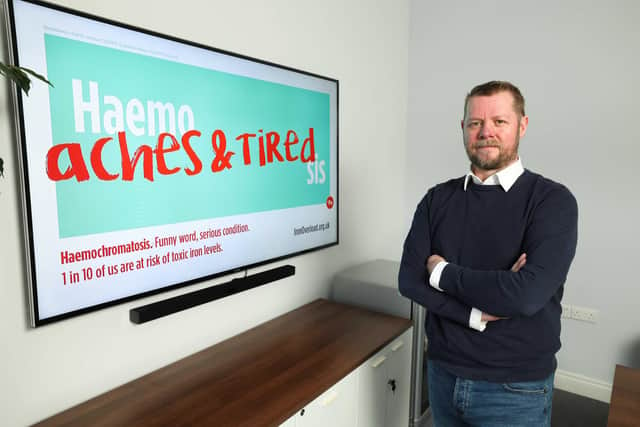

Often referred to as the “Celtic Curse” because of its association with Celtic and northern European ancestry, genetic haemochromatosis causes the body to absorb too much iron from food.
Over time, excess iron can accumulate in organs and tissues, and if the condition is not detected and treated, this build‑up can lead to serious health problems including liver fibrosis, cirrhosis, liver cancer, diabetes and joint disease. Despite these risks, GH is both identifiable and treatable, making early detection a crucial public health priority.
The findings were formally unveiled by Haemochromatosis UK at a special event in the Long Gallery, Stormont on Thursday. Hosted by John O’Dowd MLA, the event highlighted the charity’s call for a Department‑led early‑detection pilot in Northern Ireland, aimed at improving diagnosis rates and preventing avoidable ill‑health.
Between 2021 and 2026, Haemochromatosis UK carried out genetic testing on 609 people through its community screening programme, with 602 valid results.
Testing was delivered in communities across Northern Ireland, including Londonderry, Belfast, Newry, Carrickfergus, Magherafelt, Portadown, Irvinestown and Ballymena. The charity says the programme was designed to bring testing directly into local areas, making it accessible to people who may not otherwise engage with genetic screening.
The results were striking. A total of 336 people (55.8%) – more than one in two of those tested – carried at least one tested HFE genetic variant associated with iron overload risk. Seventy‑one people (11.8%), or approximately one in 8.5, carried two variants. Most notably, 14 people (2.3%), or approximately one in 43, were C282Y homozygous, the genotype most strongly associated with clinically significant genetic haemochromatosis.
Haemochromatosis UK stresses that the community testing programme was not a random population sample and therefore should not be interpreted as a definitive measure of Northern Ireland‑wide prevalence.
However, the charity believes the high yield demonstrates substantial unmet need and strengthens the case for a properly evaluated early‑detection programme. Many people at risk of GH remain undiagnosed, often until symptoms become severe, and early identification could prevent serious complications and reduce pressure on health services.
Crucially, GH is treatable. When detected before irreversible organ damage occurs, excess iron can be removed through regular blood withdrawal, a procedure known as venesection. This simple and effective treatment can prevent major complications and allow people with GH to live healthy lives.
In cases where patients meet blood‑service eligibility criteria, the blood removed during venesection may also be donated, offering an additional benefit to the wider health system.
Speaking about the research, Neil Irwin, philanthropy manager at Haemochromatosis UK, said the findings highlight a major opportunity for Northern Ireland.
“These findings underline the scale of the opportunity we have. Finding one in 43 people tested with the highest‑risk genetic profile is significant, but this should not simply be viewed as another health problem to worry about,” he said.
“Genetic haemochromatosis is unusual because we know what causes it, we can test for it and, importantly, when identified early, we can treat it very effectively before serious and irreversible damage occurs.”
Mr Irwin added that the charity’s community programme shows testing can be delivered successfully and at scale. “We are asking the Department of Health to work with us and other stakeholders on a properly designed and independently evaluated Northern Ireland early‑detection pilot,” he said.
The charity’s new report, Earlier Detection of Genetic Haemochromatosis in Northern Ireland, recommends a 24–36‑month independently evaluated early‑detection pilot.
It proposes initially focusing on people aged 40–55, a group considered to be at a key stage for identifying risk before complications develop. The report also calls for the creation of a single regional pathway for testing, diagnosis, treatment and surveillance.
Other recommendations include systematic testing for adult first‑degree relatives of people with confirmed high‑risk or clinically affected cases; expanded access to community‑based venesection; enabling eligible patients to donate blood where safe and appropriate; and the development of a prospective dataset to help inform future UK screening policy.
Separate 2026 research involving more than 400,000 participants estimated the principal high‑risk C282Y homozygous genotype in approximately one in 71 people in NI overall, with marked ancestry‑related variation.
The charity will continue its awareness activity with its “We Are Family” patient conference at the Titanic Hotel, Belfast, on Wednesday, October 7.