
'A credit to dedicated local advocates who made saving this building their mission': Worldwide body who singled Assembly Rooms out for recognition welcomes Belfast City Council buy
An international body that singled out Belfast’s crumbling Assembly Rooms for global recognition has praised the city council’s purchase of the site, describing the move as a credit to campaigners dedicated to saving the building.
At the start of this year, the 18th century building was added to the World Monuments Fund (WMF) watchlist. Other sites honoured on the prestigious register include Buddhist grottoes carved into a cliffside in China, a historic Turkish city almost destroyed by earthquakes, and the Moon.
Among the oldest surviving civic buildings in the capital city, the Assembly Rooms currently lie derelict and were officially declared at-risk more than 20 years ago – but they won universal support when the international body debated this year’s nominees, the WMF describing the building as “enormously significant”.
At the end of last week they were bought by Belfast City Council, a move it’s hoped not only save them from dereliction but keep them in use for generations to come.
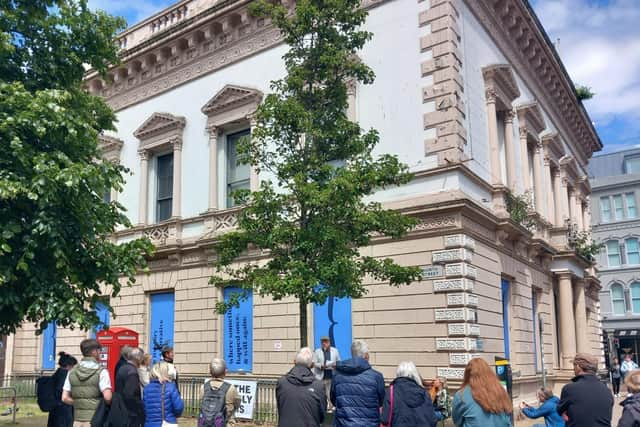

The move has been welcomed by the WMF, who say they’re keen to work with local officials to conserve the Assembly Rooms and bring them into new use.
Said Magnus von Wistinghausen, executive director of the WMF in Britain: “We welcome the council’s landmark purchase and look forward to supporting the next phase of planning for the Assembly Rooms’ future.
“Since the site’s inclusion on the watch earlier this year, WMF has worked closely with local stakeholders to advocate for the return of the Assembly Rooms to public ownership. This campaign exemplifies WMF’s approach - placing an international spotlight on local heritage priorities.
“While the campaign has spanned many years, we are proud to have contributed in part to this successful outcome. The real credit, however, belongs to the dedicated local advocates and councillors who have made saving this building their mission.”

The WMF say they’re committed to working with the council and other stakeholders to develop a sustainable and viable future use of the building, including by providing international visibility, supporting fundraising efforts, and contributing their conservation expertise.
Built in 1769, the Assembly Rooms played host to a major event in the revival of Irish traditional music, the 1792 Belfast Harp Festival, was the place an attempt to set up a slave trading company in the city was scuppered, and provided the scene of the execution of several leading United Irishmen after the failed Rebellion of 1798.
In the 19th century, the building was massively reworked and expanded by architect Charles Lanyon, the visionary who shaped much of Victorian Belfast.
Listed for protection in the 1970s, it has been officially at-risk since 2003 and until the council’s purchase was in the hands of a developer who plans to demolish much of the surrounding area to make way for a long-delayed regeneration project.
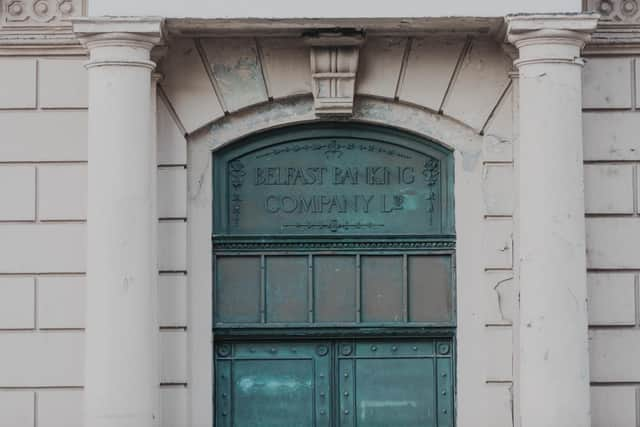
Although arts bodies have occasionally staged events there, little has been done with the site this century, and it’s now in need of substantial repair and conservation work.
Several ideas have been floated for the future of the site; among the front-runners a suggestion to turn it into a Troubles museum that would educate people about Northern Ireland’s move away from conflict, as well as being a tourist draw for international visitors keen to learn more about the truth of the province’s dark days.