
Richard Spratt: Ambitious new law is a major step to protecting next generation from tobacco harm - and we urge that this legislation is implemented in Northern Ireland
I am old enough to remember a time when smoking was simply a part of life. When planes, buses and restaurants had smoking sections, as if a cloud of second-hand smoke could be neatly contained. When ashtrays were as common in homes as the kettle.
Smoking was everywhere: on chat shows, in cinemas, in social settings and even in schools. It was normalised and glamourised.


Thankfully, times have changed. We now know the truth: smoking kills.
In Northern Ireland alone, tobacco use causes around 2,200 deaths every year: about 15% of all deaths. It is the leading cause of preventable death in NI.
Smoking-related illnesses account for nearly 35,000 hospital admissions here annually, costing our health service an estimated £218 million.
A Northern Ireland Audit Office Report in 2024 estimated that the broader economic toll, including premature death and sickness absence related to tobacco, is around £450 million a year.
Among pregnant women, while smoking rates have dropped from 17% to 11% over the past decade, 2,200 expectant mothers in Northern Ireland still smoke each year, with all the associated risks to their babies' health.
The burden of smoking is not felt equally. In our most deprived communities, smoking rates are more than three times higher than in the least deprived.
Vaping, while initially promoted as a stop smoking aid, has surged among adults, almost doubling in under a decade. It is now increasingly recognised as a gateway for young people, many of whom have never smoked traditional cigarettes.
The appeal of flavoured vape products, slick packaging, and social media marketing is pulling children into a cycle of nicotine addiction.
The full extent of long-term health impacts of vaping are still unknown, however the impact of lung damage, cardiovascular issues, and the exposure to a raft of harmful chemicals, is well documented.
At Cancer Focus Northern Ireland, we have been at the forefront of tackling tobacco for decades - through stop-smoking services, youth education, and persistent lobbying for stronger regulation.
Thousands across Northern Ireland have quit smoking with our support.
Right now, we have a chance to go even further – we’re moving closer to a legal ban.
Earlier this year, the Northern Ireland Assembly voted to extend the UK Tobacco and Vapes Bill to Northern Ireland, a significant step.
This landmark legislation, currently progressing through the House of Lords, proposes a generational phase-out of tobacco sales, meaning anyone born after 1 January 2009 will never legally be sold cigarettes or other tobacco products.
It’s bold.
It’s ambitious.
And it’s necessary.
Critics, unsurprisingly, including the tobacco industry, argue for a higher age limit instead. “21, not bans” they say.
But let’s be clear: that’s not public health policy; it is a delay tactic.
A fixed age limit still allows young people to become addicted, just later.
A generational phase-out breaks the cycle. It is fairer, more effective, and it sends the strongest possible message: smoking is a thing of the past.
A small minority say it’s a step too far. That it infringes on freedom. But as a society, we already accept limitations in the name of public health: seatbelt laws, drink-driving limits, age restrictions on alcohol, gambling, and drugs.
Ultimately, this is about giving young people the freedom to live a life free from addiction.
Freedom from a costly, harmful habit.
Freedom to live healthier, longer lives, with a reduced risk of cancer, heart disease, and respiratory illness.
Freedom to grow up without the burden of nicotine dependency, and to enjoy the benefits of better health and greater opportunity.
Through our work in schools, we are hearing alarming reports of children as young as 10 years old experimenting with flavoured vapes. The industry’s innovation isn’t about harm reduction, it’s about hooking the next generation. This Bill can help to stop that pipeline.
Of course, legislation alone will not solve everything. But this law is a major step in giving our children the best possible chance to grow up addiction-free.
To our representatives in the House of Lords and beyond: I urge you to support the Tobacco and Vapes Bill.
We note the concerns raised in relation to the Windsor Framework and we trust that the necessary arrangements will be put in place to allow this legislation to be implemented in Northern Ireland.
Given the strong public support and the demonstrated political will to see this carried across to Northern Ireland, our next generation must be adequately protected from tobacco harm, and we must find a way to secure this without delay.
The Bill has just started its Committee stage in the House of Lords. We watch and wait with interest.
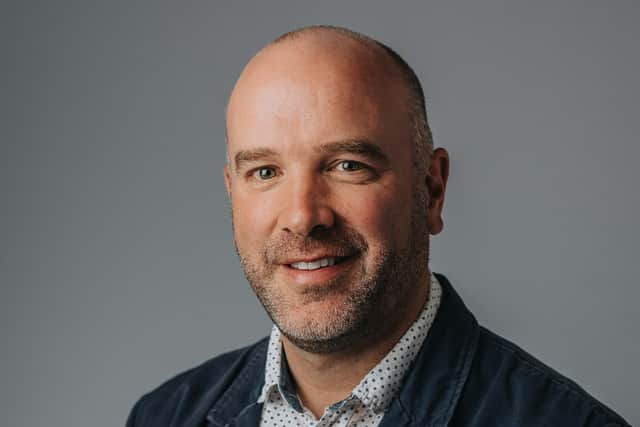
l Richard Spratt is the CEO of Cancer Focus Northern Ireland