
Roamer: WWI ship was crewed by sailors dressed in women’s clothes
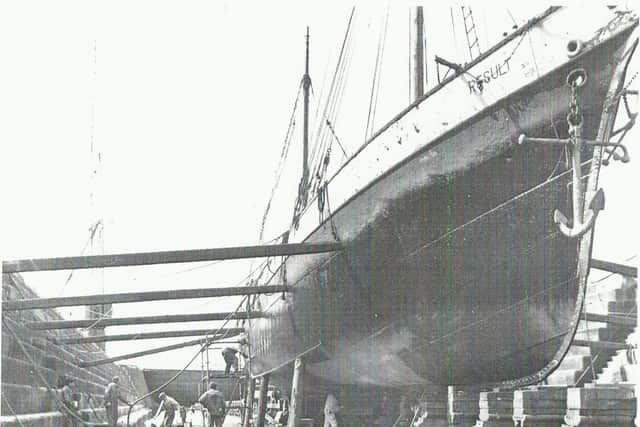
Over a decade ago Carrickfergus teenager Christopher Kenny shared the fascinating history here of a Q-Ship called Result that was built in Carrickfergus’s shipyard.
Q-Ships were camouflaged WWI merchantmen - heavily armed decoy vessels with their weaponry hidden below deck until required.
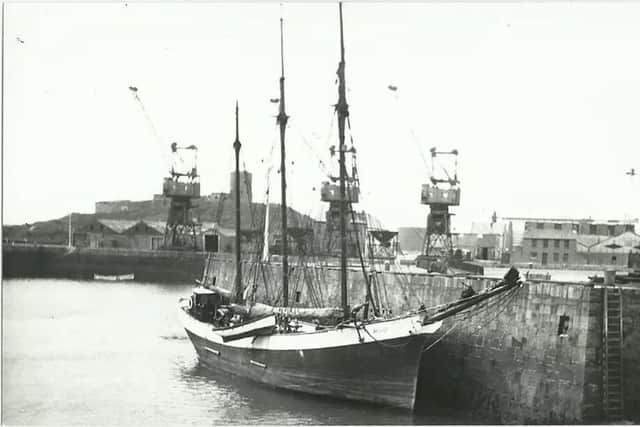

They ‘harmlessly’ cruised coastal waters looking like coasting schooners, but were constantly intent on luring unsuspecting U-Boats from the depths, hopefully to blast them back down again, in pieces.
Carrickfergus’s Result was a star act.
An email arrived recently from Christopher - “I’ve continued researching the vessel’s great history and campaigning for her to be restored. Currently I am a director of a nonprofit company hoping to do just that and return her home to Carrickfergus.”
Recalling young Christopher’s remarkable if not unique enthusiasm for maritime matters last time we talked, my first question to a founder-director of Result Carrickfergus Ltd was - what age are you now?
“I’m 26 on the verge of 27, about 12 years of my life spent with this,” he admitted, adding somewhat unnecessarily, “my great interest is shipbuilding and local history.”
One of his more memorable historical highlights here was an account of Result’s sailors dressing up as women to trick U-Boat crews.
“They even hung up women’s clothes to dry on a washing line on the deck!” Christopher added earlier this week.
He has already held several events about Result’s history and homecoming but today, tomorrow and next Saturday there’ll be drop-in sessions and illustrated talks in the Carrickfergus Pop-Up Shop at 2 Joymount, across from the Town Hall.
(Information about these events, with photographs and stories about the historic vessel, are on the website and social media channels of the ‘Carrickfergus Tall Ship Project’).
Christopher describes his remarkable venture as “static adaptive reuse” adding, “from the experts I’ve spoken to, that’s the terminology for a ship that’s obviously not going to move, and we’re changing its purpose.
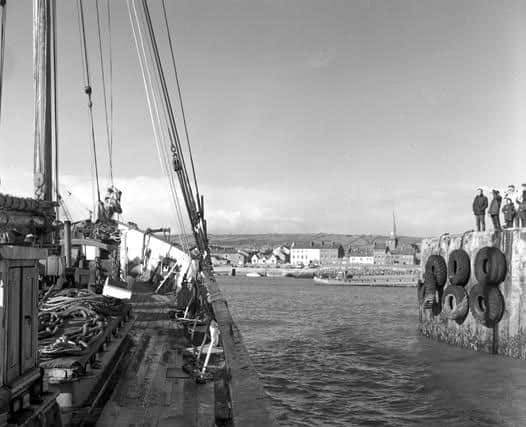
Originally Result was meant to be carrying cargo and now we want her to be a visitor attraction and events-venue. ‘Static adaptive reuse’ is the formal terminology for that!”
With such an authoritative summary of his plans, surely Christopher’s campaign must be successful and Result will return to Carrickfergus from her present home in the Ulster Folk and Transport museum.
Does he intend to refloat her in Carrickfergus’s harbour?
“No, it would be on dry land,” he explained, “on the harbour edge, beside Carrickfergus Castle, which would be cheaper and better for conservation purposes. The Council will determine where they want to put it because they own the land there. At the moment it looks as if it’ll be on flat ground at the water’s edge.”
Christopher’s ‘dream’ is for a heritage attraction which “ties in with tourism, and because she’s a cargo vessel”, he continued, “with a large open cargo hold, much like the Belfast Barge, that’ll be a great unique events space for the community. Essentially it should be a historical attraction and a community events hub rolled into one to make sure that both local people and tourists benefit equally.”
The Pop-Up Shop drop-in sessions are “basically for community engagement,” he added, “an opportunity for people to come in and see displays and artefacts so that they can learn more about the history of the shipyard in Carrickfergus, and of course, about the Result herself. And also to talk about the potential for the future, and to get public feedback. There’ll be proper sit-down presentations of Result’s history as well.”
And there’ll be more on this page next Saturday about her nautical escapades, including first-hand accounts of attacks on and by U-Boats; her crew pretending to abandon ship; avoiding destroyers ‘by a few feet’ in fog; the mystery of the missing torpedo and of course, her crew in girls’ clothes!
Regarding Result’s unusual name - “owner Richard Ashburner who ordered her, her future Captain Robert Wright and local designer Paul Rodgers supposedly squabbled for ages about the finer details of the plans,” Chris recounted.
When they eventually agreed and were wondering about a name “to avoid another argument,” Chris continued, “one of them just said ‘let’s build the ship first and see what the result will be’ and hence the name!”
If you think that’s just folklore, Chris has contacts with the family of Result’s first skipper “who say it’s a true story,” and he adds confidently, “that’s what they were told by their grandmother.”