
Health minister Mike Nesbitt defends meeting with controversial trans charity Mermaids over puberty blocker ban
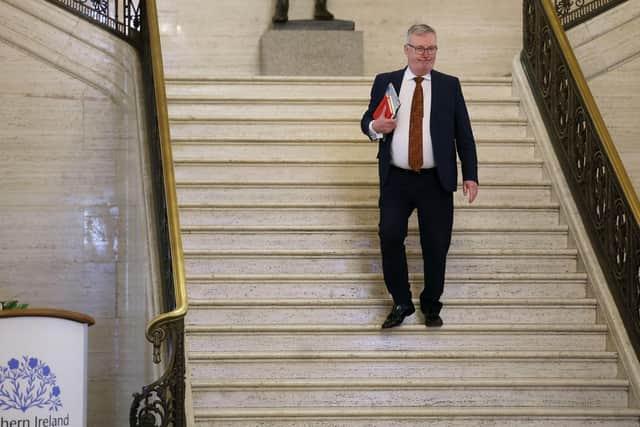
Northern Ireland’s health minister has defended a meeting with trans charity Mermaids over his decision to ban puberty blockers - but the DUP’s Diane Dodds says the group has a “concerning ideological agenda”.
Mike Nesbitt met with a range of LGBTQ+ organisations on Monday to discuss a ban on the use of puberty blockers on children in Northern Ireland. One of those groups was Mermaids, which is under investigation by the Charity Commission in England and Wales over concerns about its governance and management.

A post on the Rainbow Project’s Facebook page said the groups “made specific demands around the importance of quickly and fully re-establishing access to fit-for-purpose gender affirming care in Northern Ireland”.
Gender affirming care is a euphemism for a range of medical interventions for people questioning their sex; such as puberty blockers, double mastectomies and the removal of sexual reproductive organs.
DUP Health Spokesperson Diane Dodds said: “The Minister’s primary duty must be to protect children from harm. The steps taken to ensure NI’s inclusion within the UK-wide ban on puberty blockers was a sensible step based on expert medical opinion. The Mermaids group are driven by a clear and concerning ideological agenda”.
The Upper Bann MLA encouraged the minister to “clarify his views on this organisation.”
Mr Nesbitt said he “welcomed the opportunity to meet representatives of LGBTQI+ sector organisations to hear their views on the extension of the current temporary ban on ‘puberty blockers’ to NI”.
“The safety of patients is paramount, and my Department will continue to work with the Department of Health and Social Care in England and the other UK administrations to consider the development and implementation of a permanent solution to this issue.
“Any permanent proposals arising from the current consultation process will of course be brought to the Executive for its agreement. Appropriate stakeholders in Northern Ireland, including those organisations representing the LGBTQI+ sector, will continue to be kept informed throughout this process.”