
Lough Neagh algae: Office for Environmental Protection says Stormont 'must act urgently and decisively to reverse a lifetime of environmental degradation' across Northern Ireland environment
A UK environmental watchdog says fertilisers and farm and human sewage are the main factors causing unsustainable pressures on the environment - with three key recommendations.
The findings come from a report by the Office for Environmental Protection (OEP).
Dame Glenys Stacey, Chair of the OEP said: “Government must act urgently and decisively, not only to reverse a lifetime of environmental degradation and to restore the diversity of Northern Ireland’s habitats and species, but also to ensure a sustainable agri-food industry and wider economy."
The report found that Lough Neagh’s "chronic deterioration brings into sharp focus the local consequences of long‑term neglect of the natural environment" which have "led to increased risks to human and animal health, tourism, fisheries and even to supplies of precious drinking water".
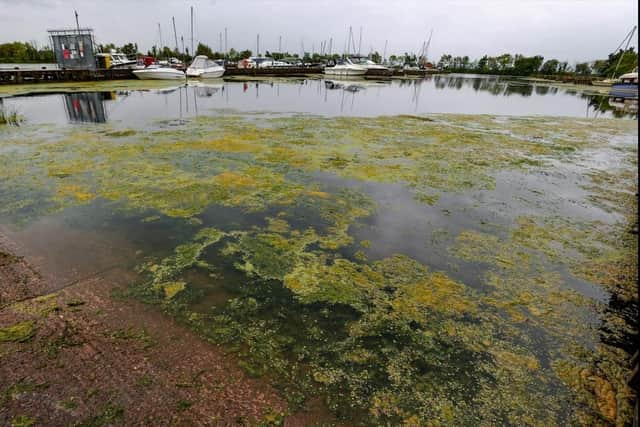

It added: "Some solutions, such as improvements in sewage treatment, are relatively simple but costly. Others, such as changes in farming practices, are undoubtedly more challenging, given the importance that society places upon agri‑food businesses."
The report finds that the two top pressures causing environmental damage are land use change and pollution, closely linked to agricultural intensification.
Excess nutrients, in the form of fertilisers and animal waste from farming and from sewage, are the main pollution.
The report says agri-industry in its current form is making "unsustainable” demands on the environment.
Other problems include waste management, resource extraction, urban development and chemical pollution.
The OEP identified three areas where action should be prioritised:
:: Reduce pollution by nutrients from farming and sewage.
:: Change land use to restore habitat s which have been destroyed or been fragmented by land use change.
:: Address extraction, consumption and disposal of raw materials, which are causing widespread damage.
Minister Muir responded that whilst change is already happening, NI cannot be complacent.
He said: “I acknowledge this report which provides a comprehensive and accurate overview of the current issues that need to be addressed to support nature recovery.
“It is clear that we must change practices which contribute to the loss of our valuable habitats.”
He added that the agriculture sector is already making relevant changes and that he recently got Executive approval for the Lough Neagh Report and Action Plan.